
Top Picks for Best Equatorial Mounts for Astrophotography: Enhance Your Stargazing Experience
Have you ever wondered what elevates the quality of those breathtaking celestial photographs? It’s not just the camera or the telescope; it’s also the unsung hero behind the scenes—the equatorial mount. Equatorial mounts are crucial for tracking astronomical objects smoothly and precisely, holding the secret to capturing stunning, high-quality astro-photographs that inspire awe. Today, we’re diving deep into the world of equatorial mounts tailored specifically for astrophotography, exploring some of the best models on the market that can transform your stargazing ventures into a mesmerizing experience.
Perfecting astrophotography is a blend of art and technical prowess, and the choice of the right equatorial mount can significantly influence your results. Whether you’re a budding astronomer or a seasoned star-gazer, understanding the nuanced differences among various models and brands such as Celestron, Sky-Watcher, and Orion, will ensure you pick an equatorial mount that not only complements your existing gear but elevates your celestial imaging to the next level.
Celestron Advanced VX Computerized Mount
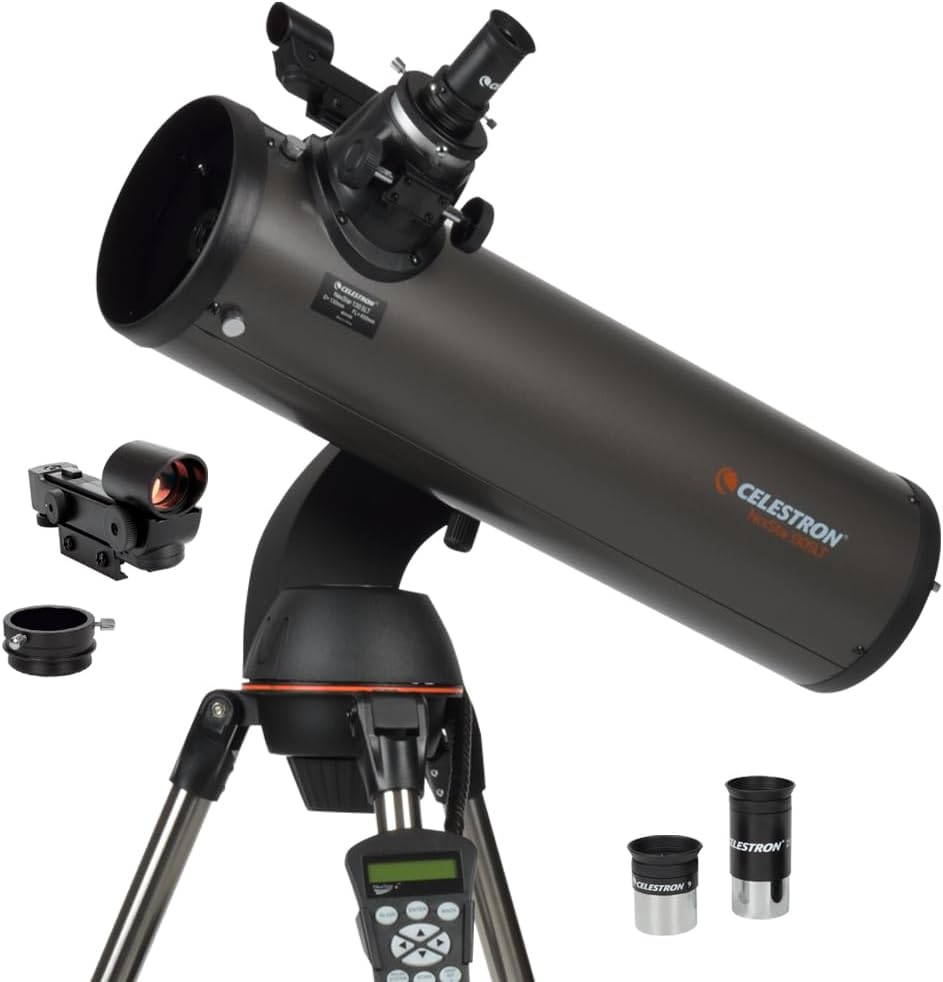
When precision engineering meets user-friendly features, you get the Celestron Advanced VX Computerized Mount. Ideal for avid astronomers who need reliability without complexity, this mount provides excellent tracking capabilities and enhanced stability for optimal astrophotography results.
Pros
- Improved motors offer greater tracking performance and more power to overcome load imbalances.
- Features All-Star Polar Alignment, making it easier to achieve precise alignment in any region of the sky.
- Designed to handle a wide variety of optical tubes, with a maximum payload of 30 pounds, suitable for most setups.
- Eases the learning curve for beginners with its intuitive design and Pre-loaded NexStar+ firmware.
- Compatible with a wide array of Celestron telescopes.
Cons
- Heavier than some competitors, which might affect portability.
- Requires external power source which can be cumbersome in remote locations.
Key Features & Benefits
The Celestron Advanced VX Mount is a standout for its build quality and practical features. It lends itself beautifully to long exposure astrophotography, thanks to its high torque motors that help in precise tracking of celestial objects across the sky. The computerized hand control with 40,000+ database objects, allows astronomers to locate and track objects seamlessly.
The redesigned tripod and mount offer greater rigidity, minimizing vibrations and enhancing image quality. This rigidity is crucial when taking long-exposure photographs where even micro-vibrations can blur the details of celestial bodies. Whether capturing the rings of Saturn or deep-sky objects like nebulas and galaxies, the accuracy and stability of the Advanced VX make a significant difference in astrophotography endeavors.
Orion 9055 AstroView EQ Mount
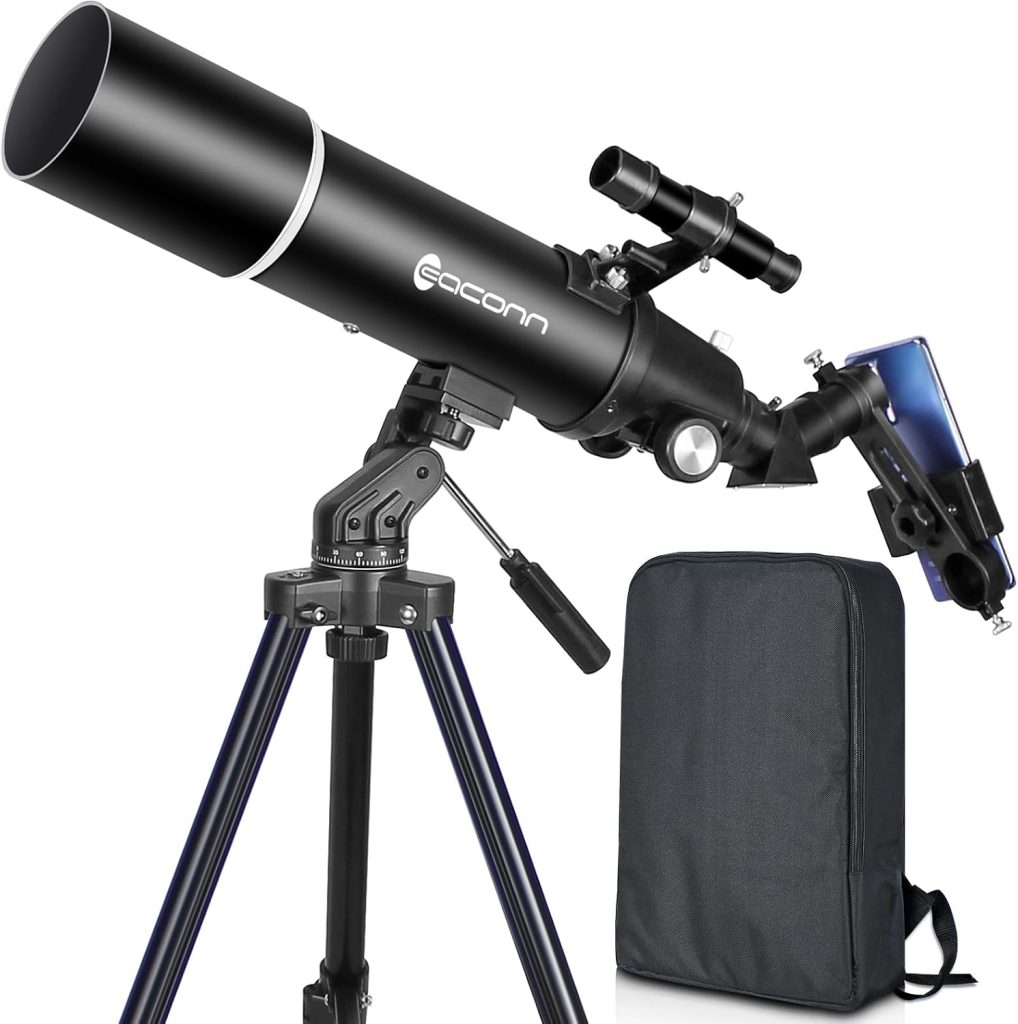
The Orion 9055 AstroView EQ Mount stands out with its emphasis on stability and precision for mid-sized telescopes. This model is particularly suited for those who require a portable yet robust mount for their observational and photographic journeys.
Pros
- Compact and more lightweight design makes it highly portable.
- Precision gears for smoother tracking of celestial bodies over long periods.
- Includes manual slow-motion controls to finely adjust the telescope positioning.
- Sturdy construction provides a reliable platform for astrophotography.
- Great value for money among its class.
Cons
- Not ideal for heavier telescopes or very long telephoto lenses.
- Manual tracking might be challenging for beginners.
Key Features & Benefits
The Orion 9055 AstroView EQ Mount is a marvel for enthusiast photographers who often travel to remote dark skies. It is incredibly user-friendly and less intimidating for amateurs due to its uncomplicated set-up process and manual adjustments. This ease of use extends to the smooth manual slow-motion controls, allowing for precise manual tracking—an invaluable feature when photographing the night sky.
Its solid build quality ensures that the mount remains stable even in windy conditions, a crucial aspect when aiming for sharp, clear astrophotography. The lightweight design does not compromise on the sturdiness needed to support mid-sized telescopes effectively, ensuring that you can achieve professional-level photographs without the need for bulky, heavy equipment.
How to Choose the Right Top Picks for Best Equatorial Mounts for Astrophotography: Enhance Your Stargazing Experience
Choosing the right equatorial mount involves evaluating several factors critical to achieving high-quality astrophotography. Compatibility with your telescope is paramount; a mismatch can lead to subpar imaging or even damage your equipment. Assessing the mount’s payload capacity ensures it can support your telescope’s weight along with any additional accessories.
Beyond the technical specs, consider the ease of use. A user-friendly interface can make a significant difference in your stargazing experience, especially if you are new to astrophotography. Portability is another important factor, as many astrophotographers travel to remote locations in search of the perfect dark sky. Therefore, a lightweight and compact mount might be preferable.
Lastly, never overlook the long-term value. Investing in a mount that is not only durable and robust but also adaptable with upgradeable features can offer more value over time. Features like computerized object databases, GPS modules, and additional accessory ports can enhance functionality and make the mount a worthy long-term investment.
FAQ
What is the benefit of using an equatorial mount for astrophotography?
Equatorial mounts are designed to compensate for the Earth’s rotation, allowing you to track celestial objects accurately over time without field rotation. This makes them ideal for long-exposure astrophotography, where precision is crucial.
Can I use any telescope with an equatorial mount?
While many telescopes are compatible with equatorial mounts, it’s important to check the mounting specifications and payload capacity of the mount to ensure it can securely hold your specific model of telescope.
Do all equatorial mounts require a power source?
Most computerized equatorial mounts need an external power source to operate the motors and computer systems. However, some manual models do not require power, though their capabilities are more limited.
Are there equatorial mounts suitable for beginners?
Yes, there are several models designed with beginners in mind, offering easier setup processes and intuitive controls. It’s vital, however, to balance simplicity with the ability to upgrade as your skills progress.
How important is the weight of the equatorial mount?
The weight of the mount affects both the stability and portability. Heavy mounts are more stable but can be challenging to transport, especially to remote locations. Conversely, lighter mounts are easier to carry but might need additional stability measures in windy conditions.
Is it difficult to set up an equatorial mount?
Setting up an equatorial mount can be intricate due to the need for precise alignment. However, many modern mounts come with features such as built-in polar finders or software assistance that simplify this process.
Conclusion
Equatorial mounts are foundational to the success of any serious astrophotography endpoint. The right mount not only enhances the ease with which you capture long-exposure and time-lapse images but also deeply enriches the overall experience by providing the stability and precision needed to explore the cosmos effectively. Whether you choose a model like the robust Celestron Advanced VX or the portable Orion 9055 AstroView, ensure it aligns with your current and future astrophotography aspirations. Remember, the stars aren’t moving any faster—take the time to make a choice that will serve you well under the celestial skies for years to come.