

Top Picks for Astrographers: Best Reflector Telescopes for Astrophotography
In the quiet solitude of a clear, starry night, every aspiring astrographer yearns to capture that spectacular moment when the cosmos unveils its mysterious beauty. However, achieving striking astrophotography requires more than just a clear sky and determination—it demands the right equipment. In the world of astrophotography, reflector telescopes are revered not only for their capability to capture distant celestial bodies but also for their superior light-gathering ability. With ‘Top Picks for Astrographers: Best Reflector Telescopes for Astrophotography’, our aim is to guide you past the confusion and help you zoom in on the devices that promise both exhilarating discoveries and rewarding photography experiences.
The choice of the right reflector telescope can transform your night-sky photography from ordinary to extraordinary. Below, we delve into the nuances of several top-tier models, each brought forth by trusted brands like Celestron, Orion, and Sky-Watcher. These picks are not just about magnification and aperture; they’re also about marrying the complexities of astrophotography with ease of use, ensuring every star enthusiast, from beginner to pro, can find their perfect match.
Sky-Watcher Quattro 250P Imaging Newtonian
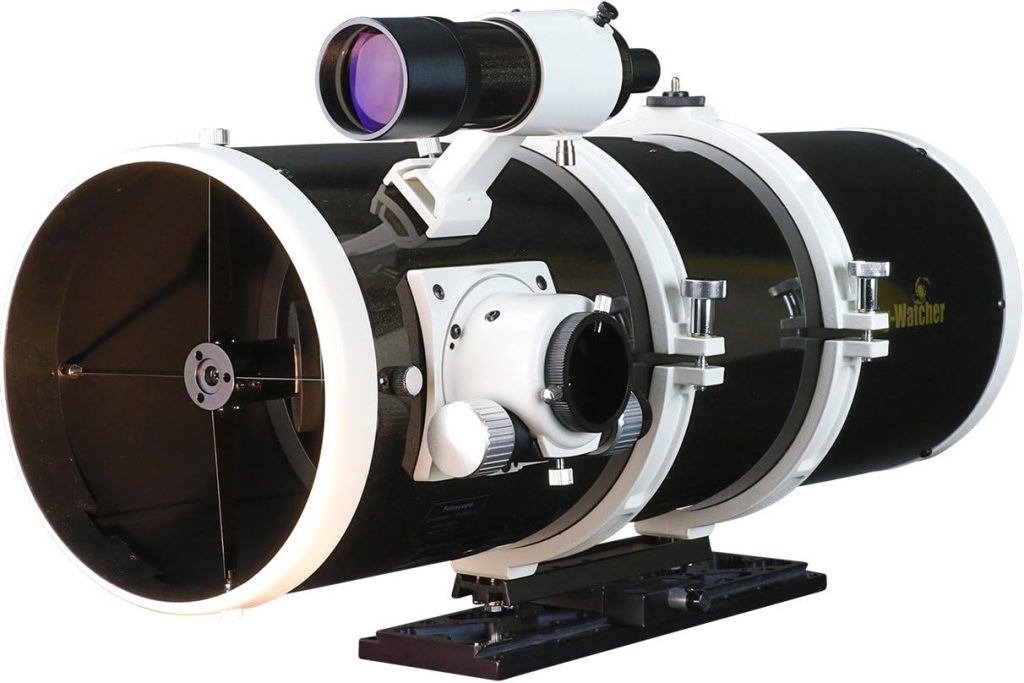
The Sky-Watcher Quattro 250P, a powerhouse in the field of astrophotography, offers an excellent balance between performance and ease of handling. This model is a favorite among enthusiasts who crave deep-sky marvels.
Pros
- Large 250mm aperture for superior light gathering
- Fast f/4 focal ratio, ideal for short exposure times
- Borosilicate mirrors reduce thermal expansion effects
- Dual-speed focuser for precise focusing adjustments
- Solid tube structure enhances durability
Cons
- Significant weight makes it less portable
- May require frequent collimation adjustments
Key Features & Benefits
The Sky-Watcher Quattro 250P’s large aperture significantly boosts its light-gathering capabilities, allowing for stunningly detailed images of nebulae and galaxies. What makes this model stand out even more is its fast focal ratio, which facilitates quicker exposures that are perfect for capturing sharp images of fast-moving celestial objects. Additionally, the high-quality borosilicate mirrors minimize the time it takes for the telescope to acclimate to outside temperatures, thereby reducing image distortion that can occur due to thermal expansion.
Moreover, this telescope features a robust build quality that assures you of its long-term reliability and performance. The solid construction not only safeguards the optical elements but also ensures stable, precise images during long exposure times. Whether you’re a dedicated astrographer or a passionate hobbyist, the Quattro 250P is an excellent investment that promises to elevate your astrophotography outcomes.
How to Choose the Right Top Picks for Astrographers: Best Reflector Telescopes for Astrophotography
Choosing the right telescope for astrophotography involves various factors that dictate not just the enjoyment of the hobby but the quality of your results. Here are key aspects to consider:
- Aperture Size: This is crucial as it affects the light-gathering capability and, thus, the clarity of the images you capture. Larger apertures allow more light, which is essential in astrophotography.
- Focal Ratio: A lower focal ratio indicates a wider field of view and shorter exposure times, highly beneficial for astrophotography.
- Mount Type: Equatorial mounts are preferable for their ability to follow the rotation of the sky, essential for long exposure astrophotography.
- Portability: If you plan to shoot in various locations, consider the weight and assembly complexity of your telescope.
- Accessories: Availability of compatible accessories like cameras, adapters, and filters can significantly enhance your astrophotography experience.
- Budget: Reflect on how much you are willing to invest in a telescope, keeping in mind that higher prices often come with features that significantly enhance imaging quality.
FAQ
What is the best aperture size for astrophotography?
An aperture of at least 130mm is recommended for effective astrophotography, allowing significant light capture while maintaining reasonable telescope size and portability.
Can beginners also enjoy astrophotography with these telescopes?
Absolutely. Many modern reflector telescopes cater to beginners with user-friendly features and comprehensive instructional materials.
Why is an equatorial mount preferred for astrophotography?
Equatorial mounts align with the Earth’s axis, allowing for smoother tracking of celestial bodies across the night sky, crucial for long exposure imaging.
What additional equipment should I consider purchasing?
For enhanced astrophotography, consider a high-quality CCD or DSLR camera designed for telescope use, along with necessary adapters and potentially a more robust mount.
Do I need a computer for astrophotography?
While not strictly necessary, having a computer can enhance your photography sessions by allowing for precise control and immediate image processing and analysis.
How do I ensure my telescope remains in good condition?
Regular maintenance, including careful cleaning of the lens and mirrors and appropriate storage, will keep your telescope in optimal condition for years.
Conclusion
Astrophotography opens up a visual gateway to the universe, with each telescope offering a unique perspective. Whether you choose the wide aperture of the Sky-Watcher, the beginner-friendly Orion, or the adaptable Celestron, each scope brings you one step closer to the cosmos. Balancing budget, portability, and technical specs will guide you to the best reflector telescope that not only fits your astrographical ambitions but also enhances your experience watching the stars. Inspired preparedness, matched with the right equipment, will ensure that every celestial event is within your reach, captured brilliantly through your lens.