
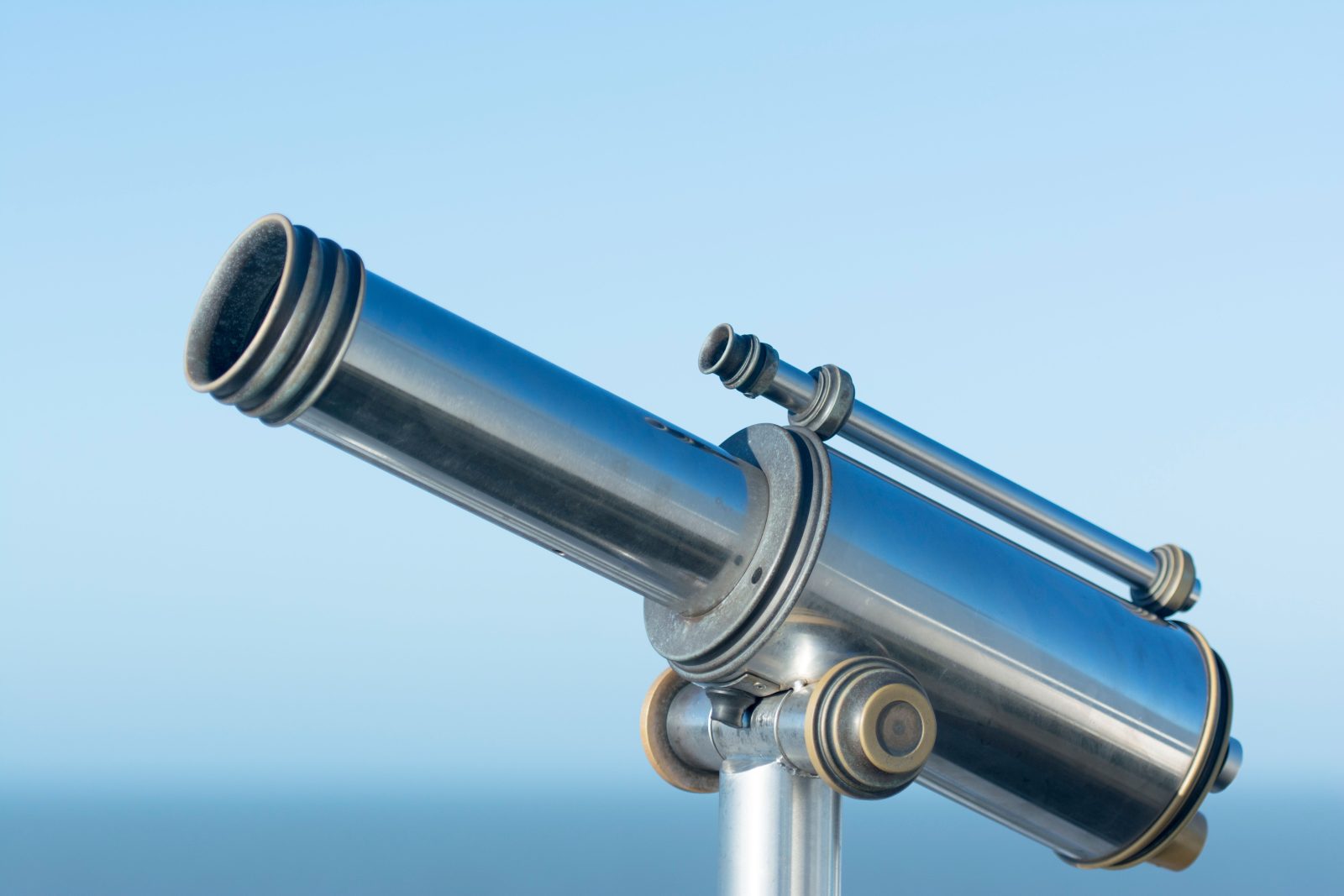
Discover the Stars: Finding the Best Beginner Telescope Under $100
Stargazing can be more than just a tranquil hobby; it serves as a gateway to the vast cosmos. For amateurs especially, investing in a high-quality but affordability-conscious telescope under $100 can make astronomy accessible without the intimidation of complicated setups and high price tags. In the journey to Discover the Stars, selecting the right beginner telescope under $100 is like choosing a key to unlock the night sky, bringing the wonders of the universe right before your eyes.
Typically, telescopes can be a substantial investment, with high-end models ranging into thousands of dollars. However, options available under $100 now make it surprisingly feasible for beginners to start their celestial observations. With the right telescope, even amateurs can enjoy viewing prominent constellations, the craters of the moon, or even distant planets. It’s about making a modest investment in the right equipment to foster a lifelong passion for astronomy.
Celestron 21035 70mm Travel Scope
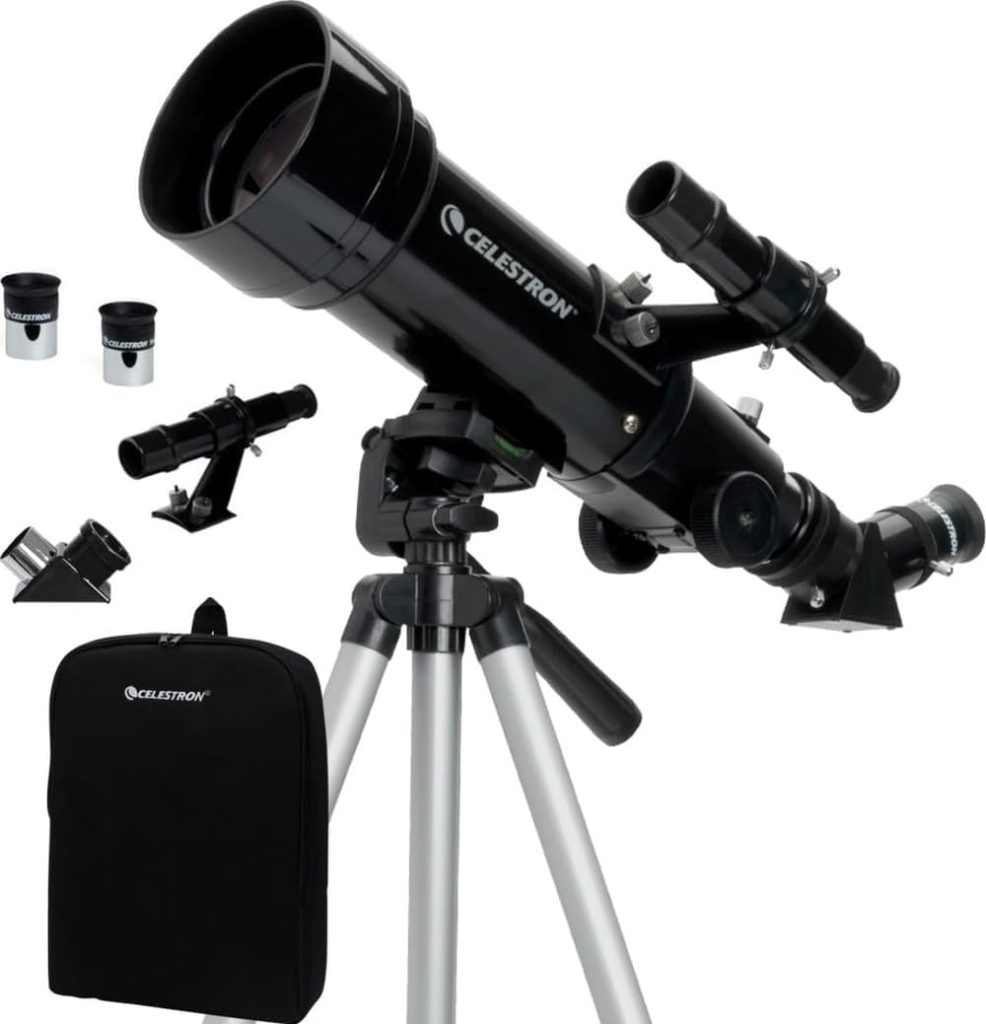
The Celestron 21035 70mm Travel Scope stands out as an ideal starter kit for astronomers on the go. Its compact and portable design ensures that stargazers can take it on camping trips or to remote locations free from city lights, which significantly dim the splendor of the night sky.
Pros
- Extremely portable with a customized backpack for traveling
- Easy to set up and use, even for children
- Includes a full-height tripod for a stable viewing experience
- Comes with two eyepieces for varied magnification
- Affordable pricing for beginners
- Receives light effectively for clear, bright images
Cons
- Limited advanced features for seasoned astronomers
- Plastic parts can be less durable over time
Key Features & Benefits
The Celestron 21035 70mm Travel Scope includes an array of features that enhance its usability. The scope comes with a full-size tripod, which adds to its stability and makes it suitable for a variety of outdoor conditions. Additionally, the 70mm aperture offers excellent light-gathering capability which, coupled with two high-quality eyepieces, provides crisp and detailed views of the lunar surface and beyond. Its simple design is particularly suitable for beginners, making it less daunting to dive into astronomy with confidence and excitement.
Another significant advantage is its included travel backpack which is designed specifically to protect and carry the scope along with all its accessories. This makes it immensely easier for new astronomers to carry their equipment to locations that offer the best stargazing experience, untethered by the bulkiness that typically accompanies telescopic equipment.
Meade Instruments Infinity 50mm AZ Refractor Telescope
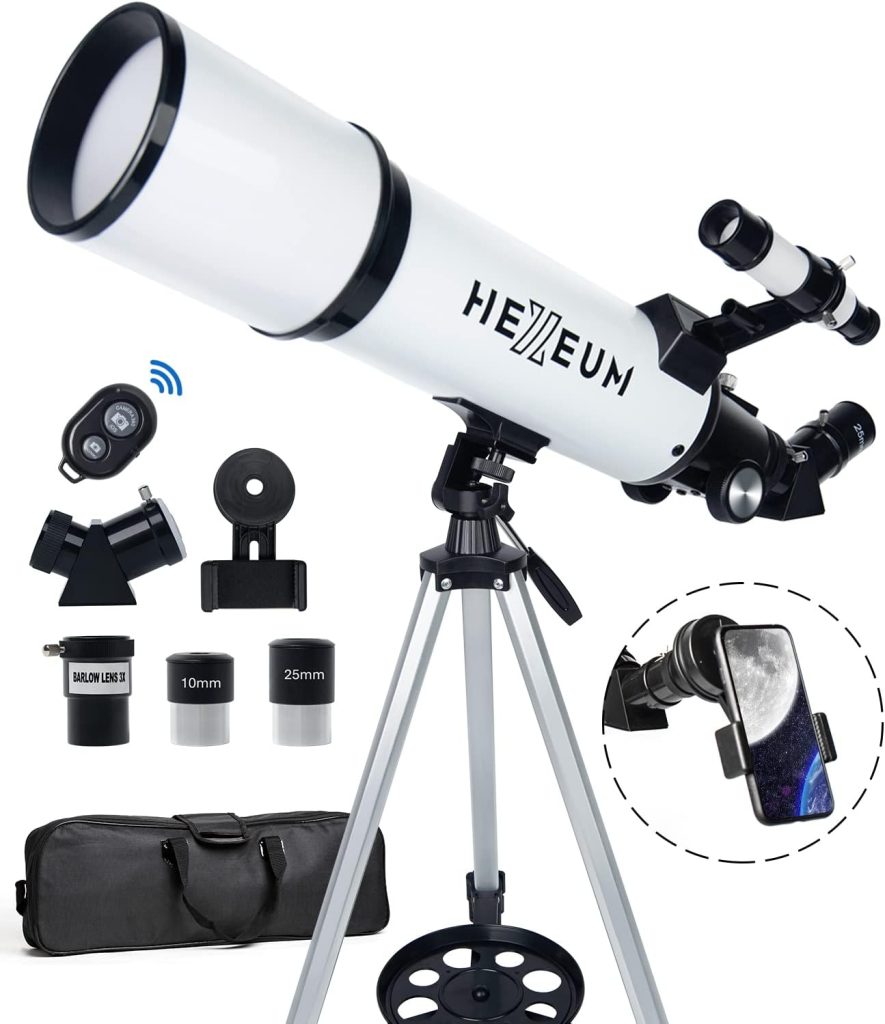
For those who value clarity and simplicity, the Meade Instruments Infinity 50mm AZ Refractor Telescope is a wonderful choice. Its straightforward assembly and user-friendly operation make it highly suitable for beginners who are just getting acquainted with telescope usage.
Pros
- Very easy to assemble and use, perfect for beginners
- Includes an Altazimuth mount for smooth tracking
- Comes with three eyepieces for versatile viewing options
- Barlow lens to double the magnifying power of eyepieces
- Great value for money with extensive accessories
Cons
- Less powerful than some other models
- Bulkier design might not be as portable
Key Features & Benefits
The Infinity 50mm AZ Refractor by Meade Instruments allows newcomers to significantly enhance their viewing experience through three different eyepieces and a Barlow lens, which expands the viewing capabilities without sacrificing image quality. This adaptability to different celestial objects makes it a versatile option for families or educational groups seeking to explore a range of astronomical sights from the moon’s craters to Jupiter’s moons.
This telescope also features an altazimuth mount, which is particularly user-friendly for beginners, offering smooth vertical and horizontal maneuvering. This is beneficial in tracking celestial objects as they move across the sky, providing an engaging and less frustrating experience for first-time users. The overall design focuses on ease and educational value, prioritizing a straightforward and enriching stargazing experience over more complex features that might overwhelm a novice.
How to Choose the Right Discover the Stars: Finding the Best Beginner Telescope Under $100
When venturing into the purchase of a beginner telescope, especially under the $100 mark, there are several key factors to consider:
- Aperture Size: This is crucial as it determines how much light the telescope can gather, directly influencing how clear and detailed the images you see will be.
- User-Friendliness: Look for telescopes that are easy to set up and use. Complex assemblies can detract from the overall experience, especially for beginners.
- Portability: Consider whether you’ll be taking your telescope on trips or prefer observing from a home setup. Portable models are essential for travelers.
- Accessories: Some telescopes come with additional eyepieces, a diagonally mirror (for comfort), or filters that enhance observation, providing better value and a more enjoyable experience.
- Mount Type: The mount is another fundamental aspect. Altazimuth mounts are typically easier for beginners, whereas equatorial mounts offer better tracking abilities for those who might invest more time in their new hobby.
FAQ
What is the best beginner telescope for children under $100?
Telescopes that are lightweight, easy to handle, and come with educational material are ideal for children. Features that aid quick setup and easy use can keep their enthusiasm high.
Can you see planets with these budget telescopes?
Yes, many entry-level telescopes under $100 can provide views of planets such as Jupiter and Saturn, although detail will be limited.
Are these telescopes suitable for astrophotography?
While they offer basic functionalities for stargazing, budget telescopes under $100 are generally not optimized for astrophotography, which requires more precise controls and often a sturdier build.
How important is the telescope’s aperture?
It’s very important as it directly affects the amount of light captured, determining how clear and detailed the observed images will be.
Do these telescopes require a lot of maintenance?
Maintenance is minimal, usually revolving around proper storage and occasional cleaning of the lens.
What if I decide to upgrade my telescope later?
Starting with a beginner telescope under $100 is a great way to learn what features you value most before investing in a more complex and costly model.
Conclusion
Diving into astronomy with a good but inexpensive telescope is a great conduct to discover the night sky and its endless wonders. The selection available under $100 offers a broad range of features that can satisfy the curiosity of any aspiring astronomer. Remember, the best telescope for you depends on what you find most inviting about stargazing: the simplicity of setup, the depth of detail, or the ability to carry it on your adventures. Whatever your preference, the night sky is an open book waiting to be read, and you’ve just taken the first step by considering these entry-level scopes.
Don’t forget to gear up with patience and curiosity – they’re as important as the telescope itself when it comes to unraveling the secrets of the vast cosmos. When you find your perfect match, the stars might just seem a little closer to Earth.