
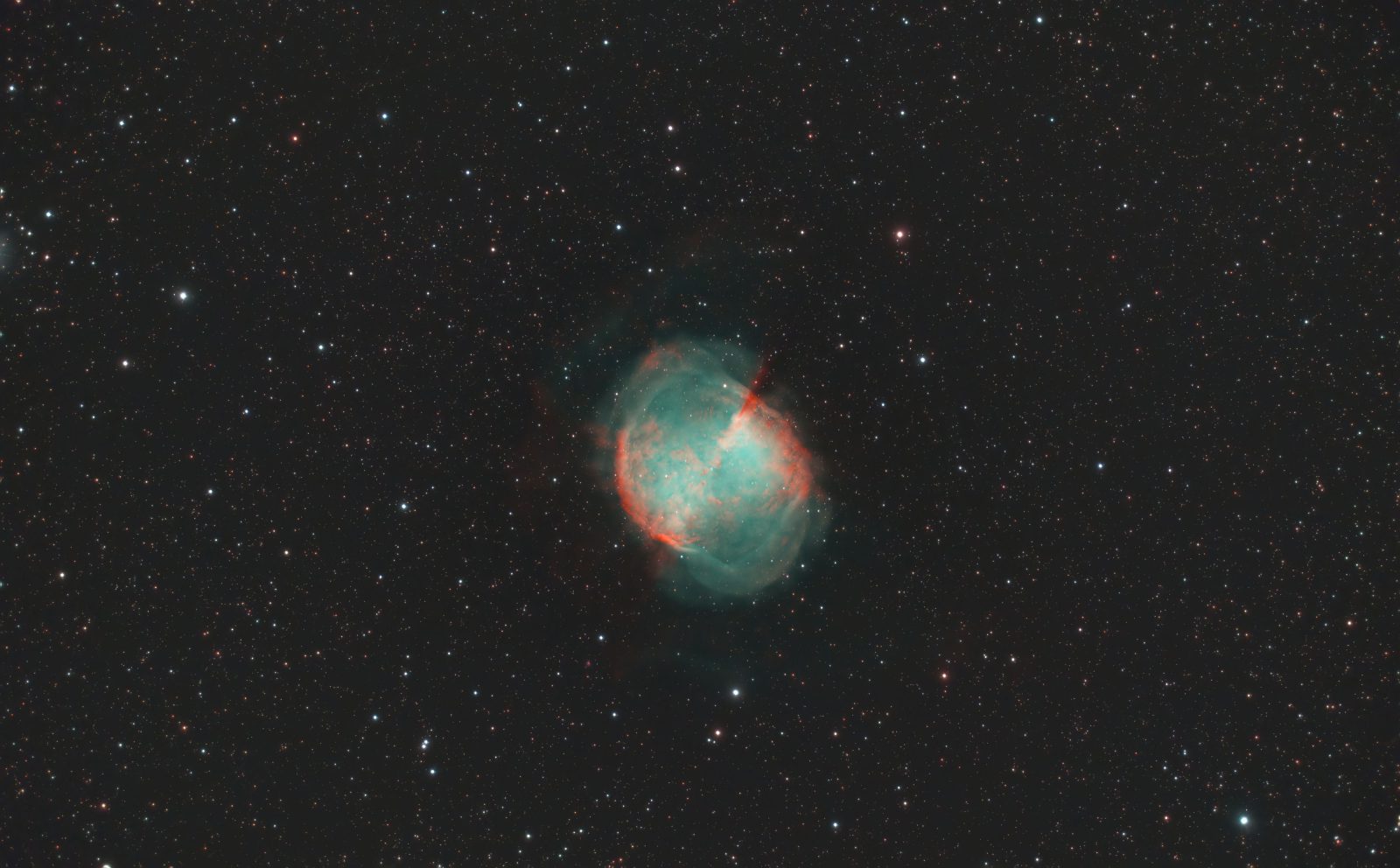
Discover the Best Telescope Filters for Planetary Viewing: Enhance Your Stargazing Experience
Have you ever peered through a telescope and felt as though the planets were just out of reach, not quite coming into crisp focus or displaying their true colors? This common frustration among amateur astronomers can often be resolved with a simple upgrade: the right telescope filter. A quality filter can transform your stargazing experience, bringing out intricate details and vibrant colors hidden in planetary atmospheres, thus deepening your connection with the cosmos.
Telescope filters are not merely accessories; they are essential tools that enhance visibility, reduce glare, and increase contrast to deliver a more detailed and enjoyable viewing experience. From observing the dramatic storms on Jupiter to the icy rings of Saturn, the right filter can make all the difference. Join us as we explore some of the top telescope filters on the market, tailored specifically for planetary viewing. Whether you’re a seasoned astronomer or a curious beginner, enhancing your observational arsenal with a premium filter will revolutionize your stargazing sessions.
Celestron UHC/LPR Filter
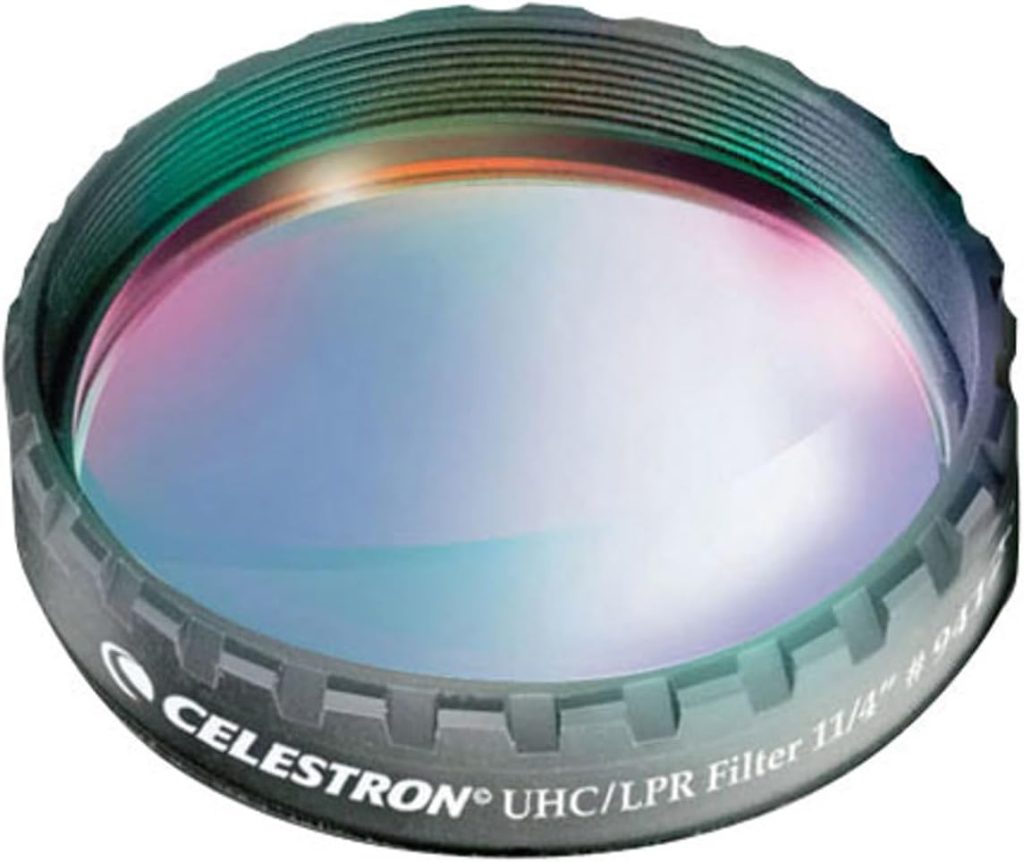
Planetary viewing is all about clarity and detail, and the Celestron UHC/LPR Filter delivers by reducing light pollution and increasing contrast. Particularly beneficial in urban settings where artificial light can hinder celestial observation, this filter emphasizes the wavelengths of light that are most important for viewing planets.
Pros
- Significantly reduces the effects of urban light pollution
- Enhances contrast for better gas giant band visibility
- Durable construction ensures longevity
- Easy to attach and use with a variety of telescopes
- Ideal for both beginner and advanced astronomers
Cons
- May slightly dimmer view in very dark locations
- Not as effective for deep sky objects
Key Features & Benefits
The Celestron UHC/LPR Filter’s predominant feature is its ability to suppress light pollution. By allowing astronomical objects to stand out against a cleaner, darker sky, the filter aids in revealing the colorful bands of Saturn or Jupiter’s Great Red Spot. Its durable construction is another benefit, ensuring that neither frequent use nor accidental drops compromise its effectiveness. This makes it an excellent investment for those who frequently observe in varying locations, facing the challenge of changing light conditions.
Furthermore, its compatibility with most telescope eyepieces makes this filter a versatile addition to your equipment. Whether you’re focusing on the moons of Jupiter or the crescent of Venus, the filter maintains a balance of light transmission and contrast enhancement, which is ideal for both amateur astronomers eager to learn and veteran stargazers seeking improved viewing quality.
Orion 5560 1.25-Inch Variable Polarizing Filter
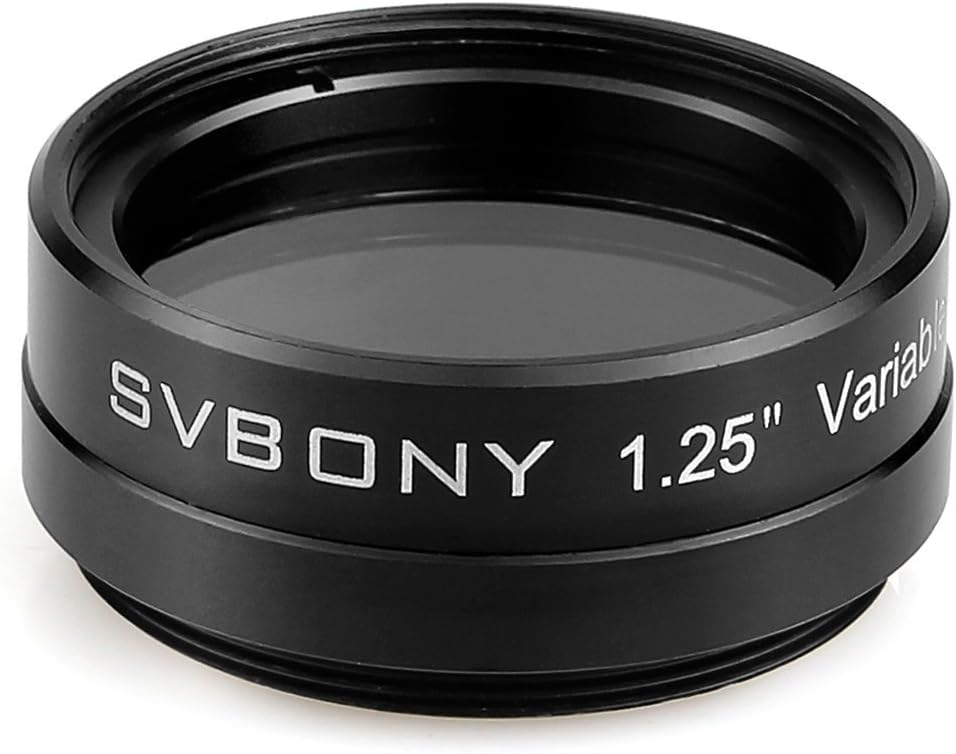
Adjustability is the highlight of the Orion 5560 1.25-Inch Variable Polarizing Filter, allowing astronomers to fine-tune the amount of light transmitted to their eyes. This feature is particularly useful when observing bright objects like Venus or Mars, reducing glare and enhancing surface details.
Pros
- Adjustable light transmission for optimal viewing
- Reduces glare effectively, making it great for bright planets
- High-quality optical glass ensures clear images
- Compact and easy to install
- Works well with all telescopes equipped with a 1.25-inch eyepiece
Cons
- Adjustment can be tricky for beginners
- May require re-adjustments when switching objects
Key Features & Benefits
The variable feature of the Orion 5560 Polarizing Filter offers unique control over viewing conditions, modifying the level of brightness and contrast as needed. This dynamic adjustability ensures that whether you’re observing a faint Neptune or a brightly shining Mars, you achieve the perfect balance for each observation. Partnered with durable optical glass, the filter promotes crisp and clear planetary views.
Furthermore, its ease of use and compatibility with mainstream telescopes render it a favorite among both hobbyists and expert astronomers. The ability to easily adjust the filter on the fly makes transitioning from one celestial body to another seamless and convenient, illustrating why adaptability can be as crucial as any other feature in a telescope filter.
How to Choose the Right Discover the Best Telescope Filters for Planetary Viewing: Enhance Your Stargazing Experience
Choosing the right telescope filter for planetary viewing requires understanding a few critical aspects: the type of telescope you own, the specific planets you aim to observe, and the typical viewing conditions in your area. Compatibility with your telescope is paramount, as filters need to physically fit your eyepieces. Consideration of material and build quality ensures that you invest in a filter that lasts and performs well under frequent usage.
Moreover, think about the filter’s performance in varying light conditions. If you often observe in light-polluted areas, a filter designed to remove glare and enhance contrast can be invaluable. Budget considerations should not be overlooked, either. High-quality filters can be pricey, but they prove to be worth the investment through remarkable improvements in the clarity and detail of planetary features. Lastly, ease of maintenance and the presence of a solid warranty can secure your purchase decision, providing peace of mind along with enhanced celestial viewing.
FAQ
Why are telescope filters necessary for planetary viewing?
Telescope filters enhance details, increase contrast, and reduce glare, particularly important for viewing planetary surfaces and features which might otherwise appear washed out or indistinct.
Can a filter improve viewing in urban areas?
Yes, certain filters like light pollution reduction (LPR) filters are specifically designed to cut through the skyglow caused by artificial lighting, enhancing celestial observations in urban settings.
Are these filters compatible with any telescope?
Most filters are designed to fit standard eyepiece sizes, but always check the specifications of both your telescope and the filter to ensure proper fit.
Is there a benefit to using more expensive filters?
More expensive filters often provide better image quality and durability, benefiting from superior materials and coating techniques.
Can filters be used for both planetary and deep sky observing?
While some filters are versatile enough to be used in different observing conditions, others are specifically tailored to either planetary details or deep sky object visibility.
How do I maintain telescope filters?
Filters should be cleaned gently with a soft, lint-free cloth and stored in a dry, dust-free environment when not in use to preserve their optical quality.
Conclusion
To bring the wonders of the night sky into sharp relief, investing in a high-quality telescope filter is a must for enthusiasts of planetary viewing. This guide aimed to provide insights and recommendations to help you choose the filter that best matches your astronomical pursuits. Particular preferences might differ; some may prioritize ease of use and versatility, while others might focus on specific features like light pollution reduction. Whatever your needs, the right filter is out there to enhance your stargazing experience, making every view of the cosmos an enchanting one. So set your sights on the heavens, adjust your new filter, and enjoy the spectacular celestial show.