
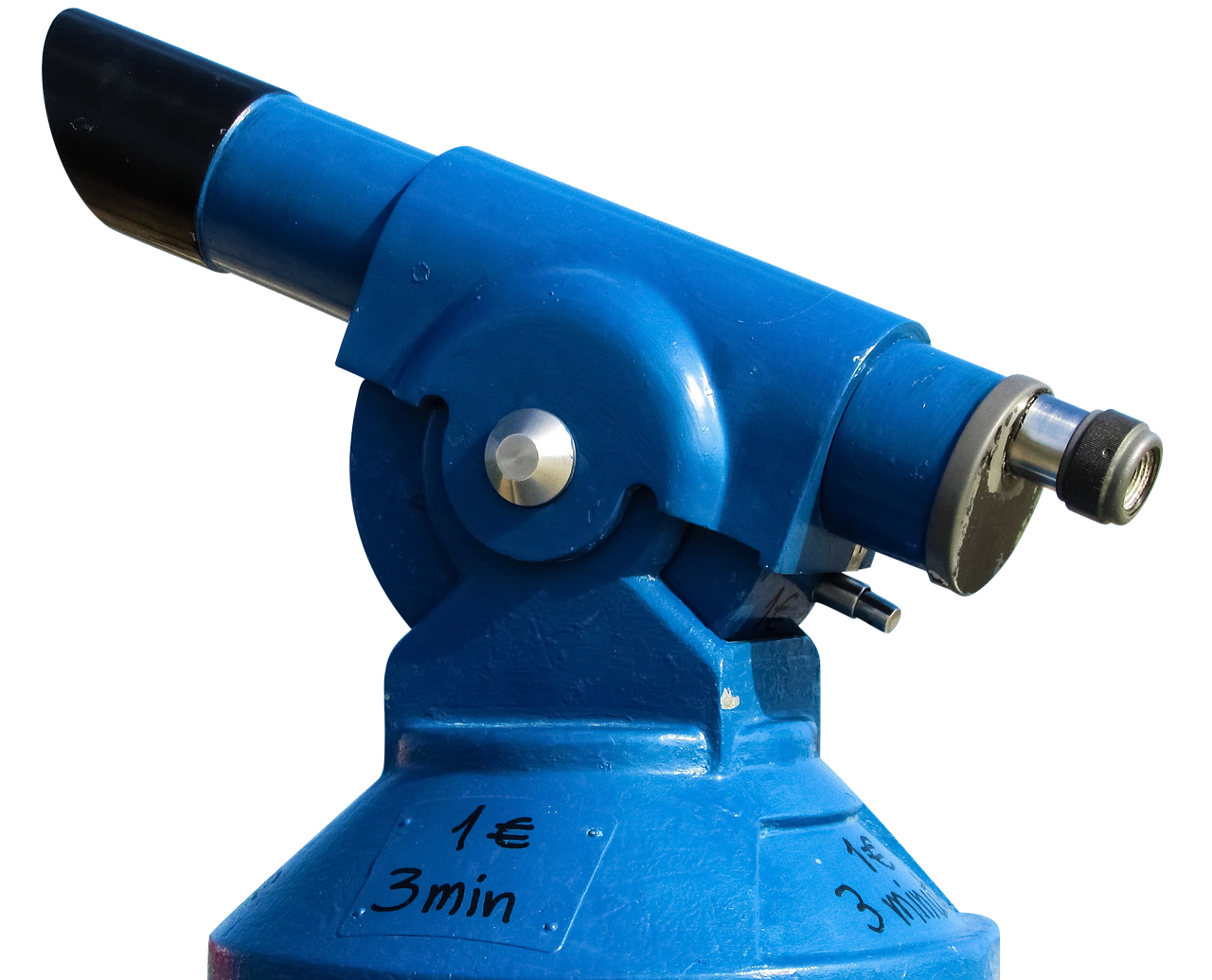
Exploring the Stars: Discover the Best Beginner Telescope for Kids
Have you ever watched a child’s face light up at the mention of astronauts or distant galaxies? It’s this innate curiosity about the universe that makes astronomy an exhilarating learning avenue for kids. With the right beginner telescope, young stargazers can embark on a celestial adventure from their backyard. Selecting an appropriate telescope for children isn’t just about finding a durable piece of equipment; it’s about inspiring a lifelong passion for the cosmos.
In this comprehensive guide, we explore the top beginner telescopes for kids, making it easier for you to choose the suitable model that not only fits your budget but is also user-friendly, engaging, and educational. From refractors to reflectors, each type of telescope has its nuances, which we’ll dive into to help you make an informed decision. Prepare to foster a love for astronomy in your child that could sparkle as brilliantly as the stars above.
Celestron AstroMaster 70AZ Telescope
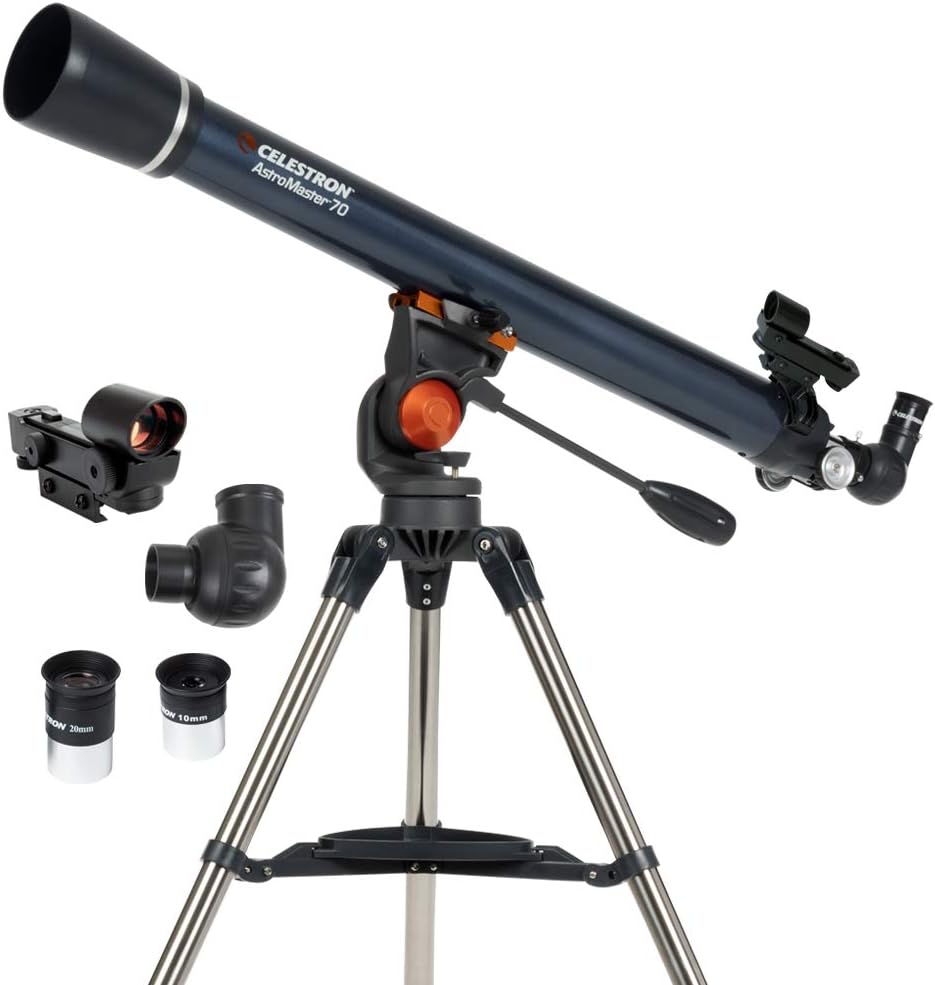
Starting our roundup is the Celestron AstroMaster 70AZ, a refractor telescope that combines simplicity with a broad spectrum of viewing capabilities. Its ease of setup makes it particularly appealing for families wanting to delve right into stargazing without a complex assembly process.
Pros
- Quick and easy no-tool setup
- Lightweight and portable design
- Enhanced image clarity with coated optics
- Includes a free download of Starry Night software
- Ideal for both celestial and terrestrial viewing
Cons
- Less suitable for deep-sky viewing
- Basic tripod could be more robust
Key Features & Benefits
The Celestron AstroMaster 70AZ is an exemplary starter telescope that balances cost with features. Utilizing a 70mm aperture, it allows ample light gathering to view planets like Jupiter and Saturn clearly and the Moon’s craters in great detail. The included software, Starry Night, is an educational tool that introduces beginners to astronomy by simulating the sky on different nights, aiding in identifying constellations and understanding celestial mechanics.
The telescope’s altazimuth mount is another highlight, offering smooth navigation to make tracking celestial bodies a breeze. The addition of a rugged tripod and a red-dot finder scope ensures that young astronomers find it manageable to pinpoint their space curiosities.
Buying Guide: How to Choose the Right Exploring the Stars: Discover the Best Beginner Telescope for Kids
When venturing into the world of telescopes for kids, several factors should influence your purchasing decision. These considerations ensure you pick a model that isn’t just an instrument but also a gateway to the universe for your young astronomer.
Aperture Size: The aperture of a telescope is critical as it determines how much light the telescope can gather. For kids, a larger aperture will allow them to see more details, making the observation more fascinating and educational.
Mount Type: A user-friendly mount is vital for kids. An altazimuth mount is generally easier for beginners, whereas an equatorial mount offers better tracking capabilities at the expense of being slightly more complex to handle.
Ease of Use: Opt for telescopes that are easy to set up and use. Younger children may become frustrated with overly complex systems, which could dampen their enthusiasm for astronomy.
Durability: Children’s telescopes need to be durable. Look for models designed with a sturdy build to withstand frequent use and the occasional mishap.
Portability: A portable telescope is beneficial if you plan to explore various stargazing locations. Lighter and more compact models are ideal, especially when they come with a carrying case.
Additional Accessories: Many telescopes come with additional accessories such as extra eyepieces, a finder scope, and educational software, which can enhance the stargazing experience.
Budget: Set a reasonable budget considering that children’s interests can evolve. There are quality telescopes available at various price points that provide excellent opportunities for learning and fun.
FAQ
What is the best age to introduce a child to a telescope?
Children as young as 5 years old can begin exploring the night sky with a telescope, but the ideal age might be around 8 to 10 years old when they have a better capacity to handle equipment carefully and follow astronomical concepts.
Can a telescope be used during the day?
Yes, many beginner telescopes can also be used for terrestrial viewing during the day, such as observing birds or distant landscapes. However, it’s crucial never to look directly at the sun through a telescope without proper solar filters.
How portable should a child’s telescope be?
Portability depends on how you plan to use the telescope. If you aim to carry it on trips or to stargazing events often, choose a lightweight and compact model.
Are accessories necessary for a beginner’s telescope?
While not absolutely necessary, accessories like additional eyepieces, a finder scope, and educational software can significantly enhance the use of the telescope and the overall learning experience.
What can my child see with a beginner telescope?
With a beginner telescope, expect to see major celestial bodies such as the Sun (with proper filtering), Moon, the planets, bright stars, and some galaxies and nebulae.
How do I maintain a telescope?
Maintaining a telescope involves regular cleaning of the lens or mirrors, ensuring it’s stored in a safe, dry place, and handling it gently to avoid misalignment.
Conclusion
Embarking on a stargazing journey with your child can be a magical experience, fostering not only a love for science but also spending quality time together under the stars. Examining various factors such as ease of use, educational value, and durability helps ensure that the telescope you choose opens up a universe of discovery. No matter which model you choose, the best telescope for your child is one that they will use excitedly and regularly, bringing the mysteries of the universe closer to home.
While specific models like those from Celestron and Orion are excellent starts, the ideal choice will depend on your child’s age, interest level, and your commitment to nurturing their fascination with the cosmos. Aim for a balance between technical features and user-friendliness to keep their celestial journey both challenging and enjoyable.
So, take your time, consider your options, and prepare to unlock the wonders of the universe for your young astronomer. The cosmos await!