
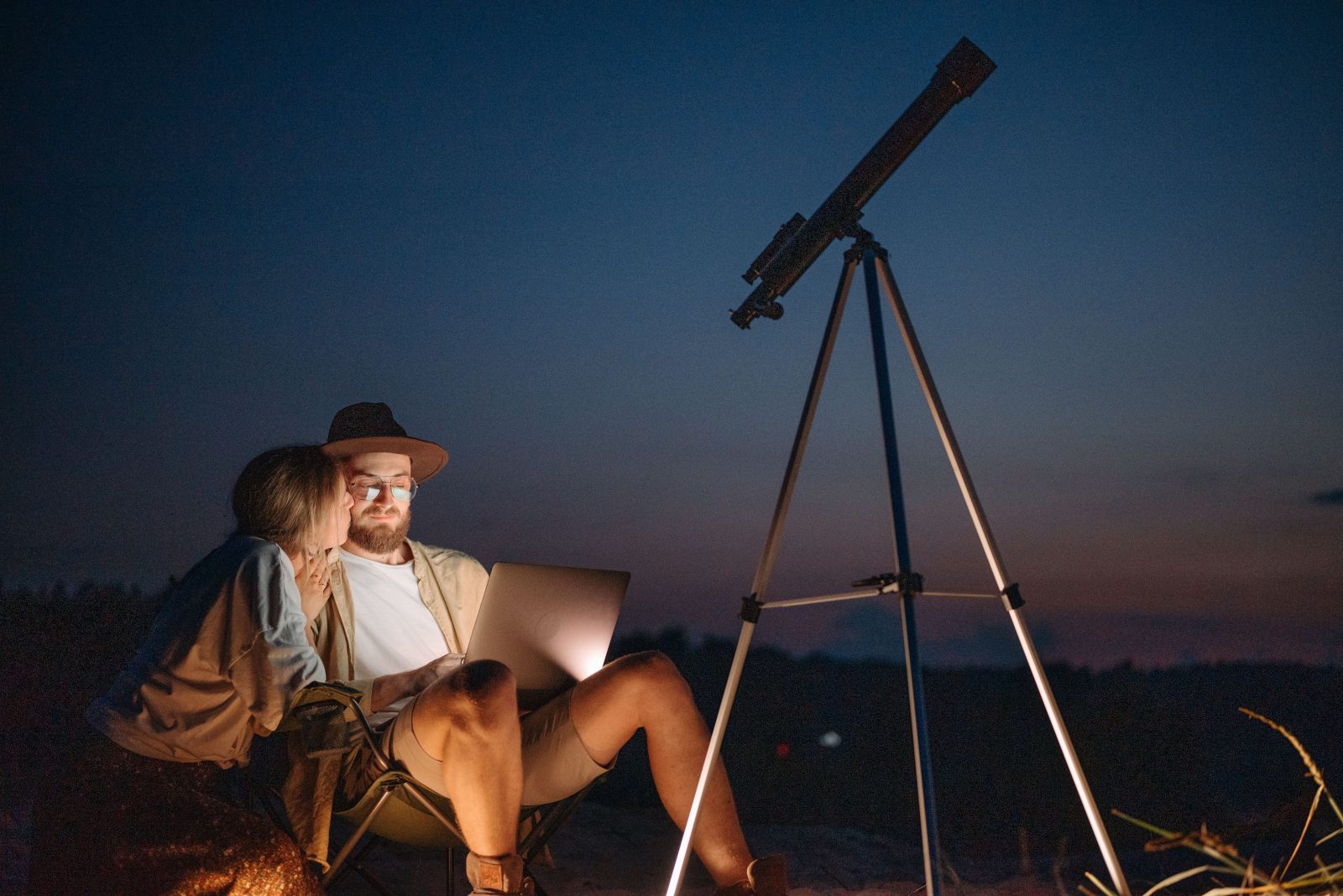
Exploring the Cosmos: The Best Beginner Telescope for Astronomy
Have you ever gazed up at the night sky and felt a longing to reach closer to those distant twinkling stars? Astronomy, the quintessential ancient science, turns a simple upward glance into a profound exploration of the cosmos. However, diving into this discipline might seem daunting at first, especially when choosing your first telescope—a pivotal step for any budding astronomer. Exploring the Cosmos: The Best Beginner Telescope for Astronomy serves as a beacon for novices, illuminating the path with top recommendations designed to enhance your celestial viewing experience.
With diverse options on the market from reputable brands like Celestron, Orion, and Meade, selecting an ideal telescope can feel overwhelming. Each model and make brings its own strength to the table, potentially complicating the decision-making process. This guide focuses on key traits such as ease of use, durability, and optical quality. By evaluating each element, even the most inexperienced astronomer can confidently step into the world of astronomical observation.
Celestron AstroMaster 130EQ
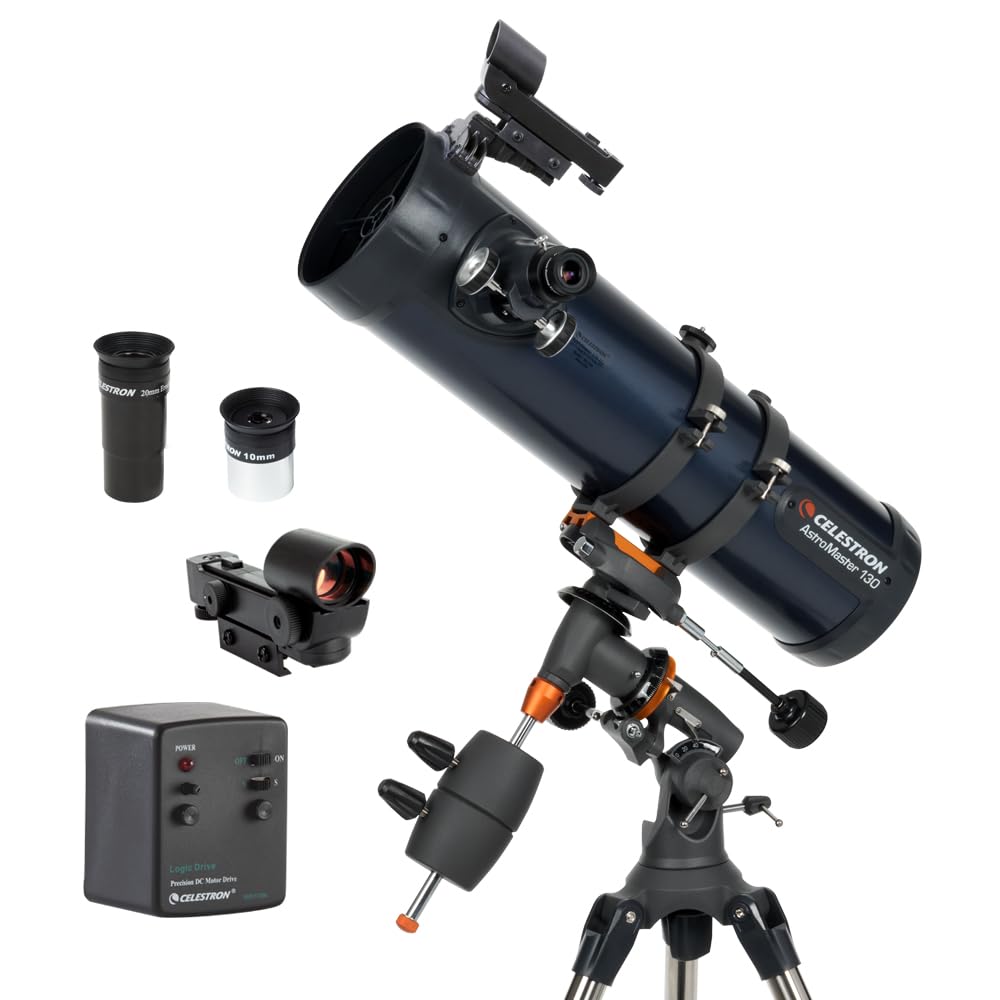
The Celestron AstroMaster 130EQ is a popular choice for rookies in astronomy, thanks to its balance of quality optics and user-friendly features. It’s a Newtonian reflector telescope that doesn’t just serve as a tool for celestial viewing but also doubles as a gateway to the stars for enthusiasts.
Pros
- Wide aperture offers bright, clear images of celestial bodies
- Comes with two eyepieces for varied magnification
- Equatorial mount facilitates smooth tracking of objects across the sky
- Easy assembly with no tools required
- Includes a built-in StarPointer finderscope to aid beginners
- Rugged, pre-assembled tripod for immediate use
Cons
- Bulkier design may not be as portable
- Initial setup of the equatorial mount can be tricky for beginners
Key Features & Benefits
The AstroMaster 130EQ’s wide 130mm aperture ensures that enough light is gathered to produce bright and detailed images of the moon’s craters, Saturn’s rings, and other fascinating celestial sights. This feature, paired with two different magnification eyepieces, allows users to switch views from a wide expanse of the night sky to focused observations of specific celestial phenomena.
Furthermore, the equatorial mount that comes with this telescope is a game-changer for tracking stars. As Earth rotates, stars seem to move across the sky. The mount’s smooth controls allow the telescope to follow these movements accurately, providing a seamless stargazing experience. This setup, once mastered, significantly eases the learning curve for those new to astronomy, making the AstroMaster 130EQ a worthy companion for your cosmic journeys.
Buying Guide: How to Choose the Right Exploring the Cosmos: The Best Beginner Telescope for Astronomy
When venturing into the cosmos with a new telescope, it’s essential to consider several variables to find the perfect match for your aspirations in astronomy:
Aperture Size
Aperture is a crucial factor; it’s the diameter of the telescope’s main optical component and determines how much light the telescope can gather. More light means clearer and brighter views of faint objects like distant galaxies and nebulae.
Type of Telescope
Refractors, reflectors, and compound telescopes offer different advantages. Refractors are great for sharp, high-contrast views and are generally low maintenance. Reflectors provide more aperture for your money, ideal for viewing faint deep sky objects. Compound telescopes offer versatility with their compact design and are suitable for both terrestrial and celestial viewing.
Mount Type
The mount is just as important as the telescope itself. An equatorial mount is suited for tracking celestial objects as the Earth rotates, beneficial for long-term observations and astrophotography. Altazimuth mounts, however, are simpler and more suitable for quick, casual viewing.
Ease of Use
If the telescope becomes a struggle to set up and use, it can dampen enthusiasm quickly. Choose a telescope that matches your level of commitment and mechanical aptitude. Beginner telescopes often prioritize ease of setup and user-friendly interfaces.
Additional Features
Consider telescopes that come with extras like eyepieces, a finder scope, a tripod, and even a smartphone adapter. These accessories can enhance your viewing experience and provide better value for money.
FAQ about Beginner Telescopes
What is the best telescope for seeing planets?
For planetary viewing, it’s best to choose a telescope with a high focal ratio (f/10 or higher). Refractors and compound telescopes generally offer sharper and brighter images for planets.
Can you use a beginner telescope for astrophotography?
Yes, some beginner telescopes come equipped with smartphone adapters or can be modified to accept a camera. However, serious astrophotography will require more specialized equipment.
Is it better to have a telescope with a larger aperture?
While a larger aperture does allow more light to enter the telescope and can provide better image quality, it also makes the telescope bulkier and more expensive. Balance aperture size with portability and budget.
How important is the telescope’s portability?
Portability is crucial if you plan to transport your telescope to different viewing locations. Compact, lightweight designs are preferable for frequent movement and storage.
What maintenance is required for a telescope?
Maintenance requirements vary depending on the type of telescope. Refractor telescopes need the least maintenance, while reflector telescopes need occasional alignment and cleaning of their mirrors.
Are telescopes hard to use for beginners?
Telescopes can seem daunting, but many models are designed specifically for beginners and come with extensive manuals and customer support. With some initial learning, anyone can master their use.
Conclusion: Reaching for the Stars with Beginner Telescopes
Selecting your first telescope is the beginning of a thrilling expedition to the stars and beyond. Whether observing the craggy surface of the moon or catching a glimpse of the vibrant bands of Jupiter, the right telescope can profoundly enrich your viewing experience. The models recommended here offer a blend of quality, ease of use, and educational value, making them excellent gateways into the wonders of the universe. Look up and embark on an astronomical adventure that broadens the mind and stirs the spirit!
Remember, the best telescope for you is the one that fits your personal needs, curiosity level, and lifestyle. No matter which you choose, the night sky’s eclectic wonders await. Happy stargazing!