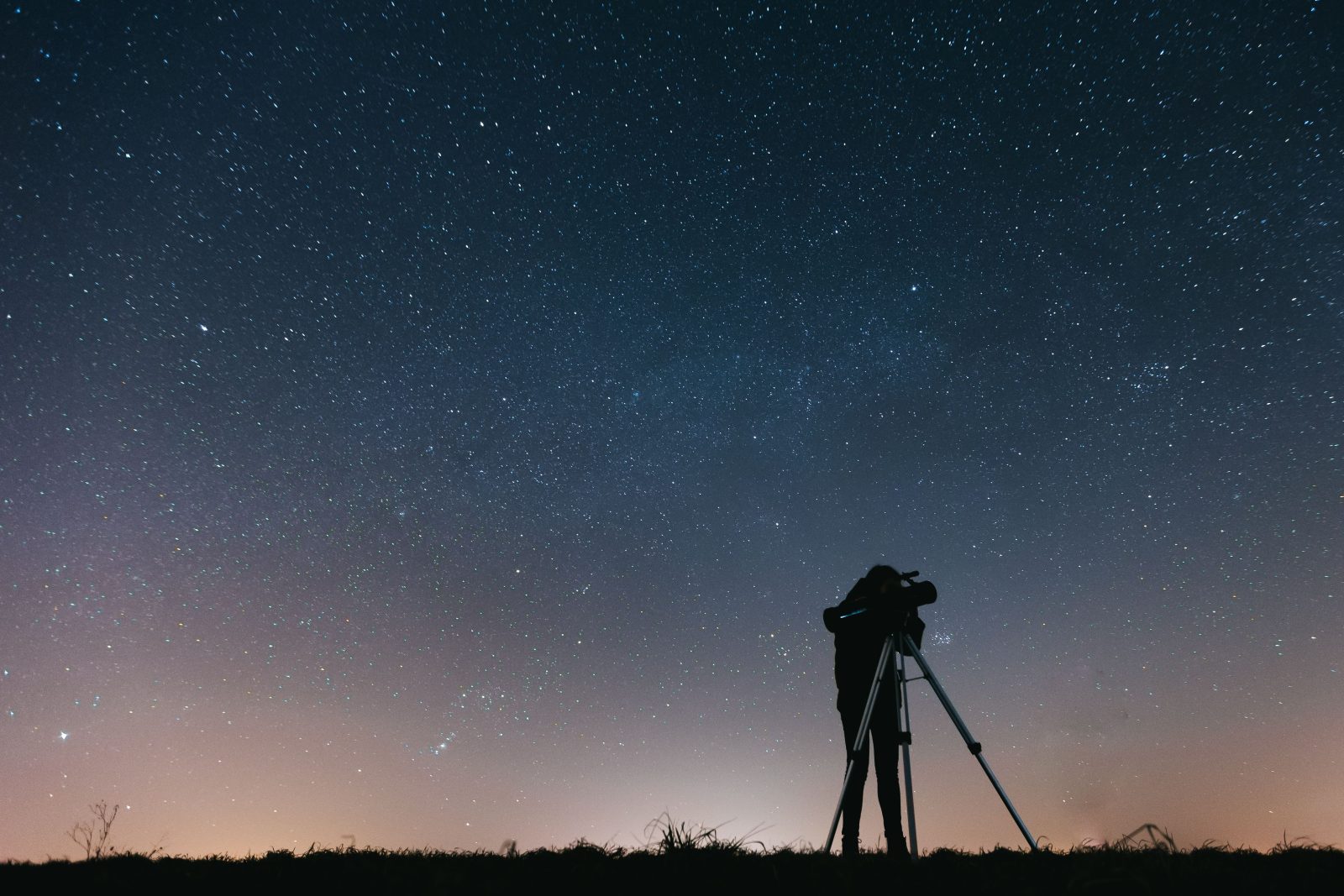
Have you ever looked up at the night sky and wondered about the stars and planets?
The universe is a vast, fascinating place full of mysteries waiting to be discovered. But before you can become a junior astronomer, it helps to know a bit about the words used in astronomy. So, welcome to “Unlocking the Universe: A Beginner’s Guide to Astronomy Vocabulary.” This blog post will help you get familiar with the basic terms used by astronomers so you can talk about the universe with confidence!
Starting Simple: Universe, Stars, and Planets
Let’s begin with the very basics. You’ve probably heard the term universe. The universe is everything that exists—every star, planet, galaxy, and everything in between. It’s all of space and time and their contents.
Stars are those twinkling lights you see in the night sky when you look up. They are huge balls of gases, mainly hydrogen and helium, burning at incredibly high temperatures. Our sun is a star—it’s just much closer to us than any other star, which is why it looks bigger and brighter.
Planets are large objects that orbit a star. In our Solar System, Earth is a planet that travels around the Sun, along with others like Mars, Venus, and Jupiter. Each planet has its unique features, and they do not produce their own light, unlike stars.
Journeying Deeper: Galaxies and Constellations
Moving on, you may have heard about galaxies. A galaxy is a huge collection of stars, gas, dust, and dark matter, all bound together by gravity. Our galaxy is called the Milky Way, and it has billions of stars, including our own Sun!
Constellations are groups of stars that form patterns in the sky. These patterns are not physically connected; they just look that way from Earth. Ancient people created stories about these patterns, and these stories have been passed down through generations. Some well-known constellations include Orion, Ursa Major (also known as the Big Bear or the Big Dipper), and Leo.
Zooming In: Telescopes and Observatories
To see stars, planets, and galaxies better, astronomers use telescopes. A telescope is a tool that makes distant objects look closer and clearer. There are many types of telescopes, but they all help us see the wonders of the universe in greater detail.
Observatories are special places built to house telescopes. They are often located in places far away from city lights (which can make it hard to see the stars). Some observatories are even in space! These space observatories can see things that we can’t see from Earth because they are above the Earth’s atmosphere.
Our Changing View: Meteor, Asteroid, and Comet
Finally, let’s talk about some moving objects in the sky. A meteor is what you see when a small piece of space rock, called a meteoroid, burns up as it passes through Earth’s atmosphere. This is commonly called a shooting star, although it’s not really a star at all!
An asteroid is a small rocky body that orbits the Sun. Most asteroids are found in the Asteroid Belt—a region between the orbits of Mars and Jupiter.
A comet is an icy body that releases gas or dust. These are famous for their spectacular glowing comas and tails, which can often be seen when a comet passes close to the Sun.
FAQ Section:
Q: What is the difference between a star and a planet?
A: A star is a massive, glowing sphere of hot gases, producing its own light and heat. A planet is a large object that orbits a star but does not produce light itself; instead, it reflects the light of its star.
Q: What exactly is a galaxy made of?
A: A galaxy consists of billions of stars, along with gas, dust, and dark matter, all held together by gravity.
Q: How can I start observing the night sky?
A: All you need to start is your eyes, a clear night, and a little patience. Look up to see the stars and constellations. A basic pair of binoculars or a beginner telescope can enhance your viewing experience.
Conclusion:
Congratulations! You’ve just taken your first steps with “Unlocking the Universe: A Beginner’s Guide to Astronomy Vocabulary.” Armed with these fundamental terms, you’re well on your way to understanding and appreciating the amazing universe around us. Maybe one day, you’ll help unlock more of its secrets! So keep looking up and keep wondering. The universe is vast, and there’s always more to learn. Happy stargazing!