
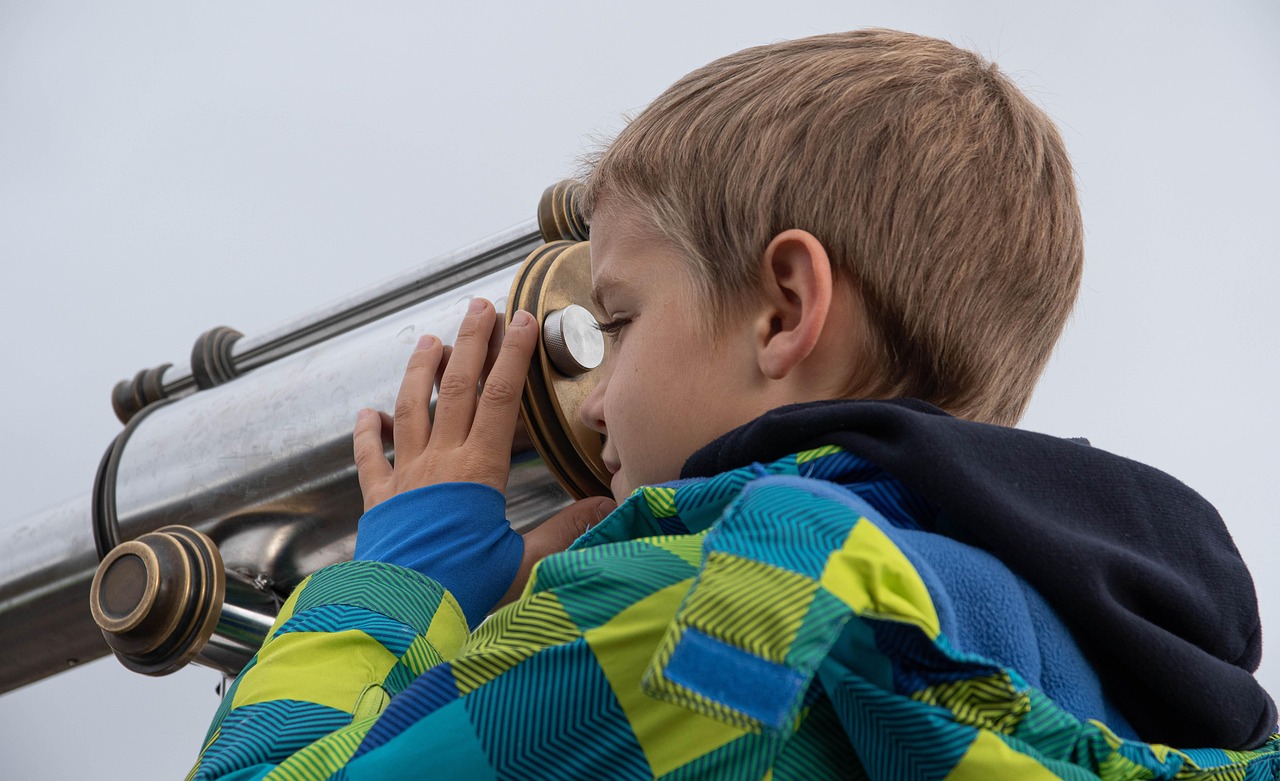
Start with a Surprising Fact
Did you know that every star you see in the night sky is part of a massive galaxy that is just a tiny speck in our universe? Sure makes you wonder what else is out there, right? That’s where stellar discoveries come in! Unlocking the mysteries of space can start right in your own backyard. In this blog post, I’ll share some great tips for stellar discoveries that anyone can follow to learn more about the amazing universe we live in.
Get Equipped
The first step to making some incredible observations of stars and planets is to get the right equipment. You don’t need the fanciest telescope, but having one can definitely help bring those distant stars a little closer to home. A simple telescope with a sturdy stand and a clear lens can do the trick. If a telescope isn’t something you can get, binoculars are a great alternative. They can also help you see the stars a bit better than with just your eyes.
Learn the Landscape of the Sky
Understanding what you’re looking at is crucial. Start by getting a star map, which you can find in a book or online, to help you identify different stars and constellations. There are also many apps available that you can download on your smartphone or tablet that will guide you through the night sky. Just point your device towards the sky, and the app will outline constellations and name stars for you! It’s one of the most user-friendly tips for stellar discoveries.
Best Time and Place for Star Gazing
To really see the wonders of the night sky, timing and location are key. Find a spot away from city lights—light pollution can really block out the view of stars. National parks or rural areas are usually great spots. As for timing, a new moon night is best because the sky is darkest then, and stars shine the brightest then.
Keep a Record
Now, let’s talk about documenting what you see. Keeping a record of your stargazing experiences can be really rewarding. You can use a notebook to jot down notes or sketch what you see. This not only helps in remembering and understanding your observations but can also be very fun to look back on. Describe the patterns you see, note any changes, and jot down thoughts or feelings you have as you gaze up.
Join a Community
One of the best tips for stellar discoveries is to connect with others who share your interest. There are many astronomy clubs and groups that organize night-time viewings and share knowledge about the stars and the universe. It’s a great way to learn more, ask questions, and make new friends.
Be Patient and Persistent
Remember, becoming good at spotting and understanding celestial bodies takes time and practice. Some nights you might not see much, or clouds might block your view. Don’t get discouraged. The skies are always shifting, and there’s always a chance for new discoveries.
FAQ Section
Q: What is the best time of year to observe stars?
A: While you can enjoy stargazing year-round, the best time is usually during the summer and winter when the skies are clearer.
Q: Do I need any special skills to start stargazing?
A: No special skills are required, just patience, curiosity, and a willingness to learn. Starting with basic equipment and gradually increasing your knowledge makes the process enjoyable.
Q: How can I find stargazing events near me?
A: Check with local planetariums, science museums, or astronomy clubs. They often host events and viewing nights that are perfect for beginners.
Conclusion
Stargazing and making stellar discoveries is a magical experience that opens up the wonders of our universe in unique ways. With the right equipment, knowledge of the sky, and a good viewing spot, you’re all set to dive into astronomy. Use these tips for stellar discoveries to embark on a fascinating journey through the stars. Remember, every time you look up at that night sky, there’s always something new to learn and discover. So, grab your gear and get ready for an astronomical adventure!