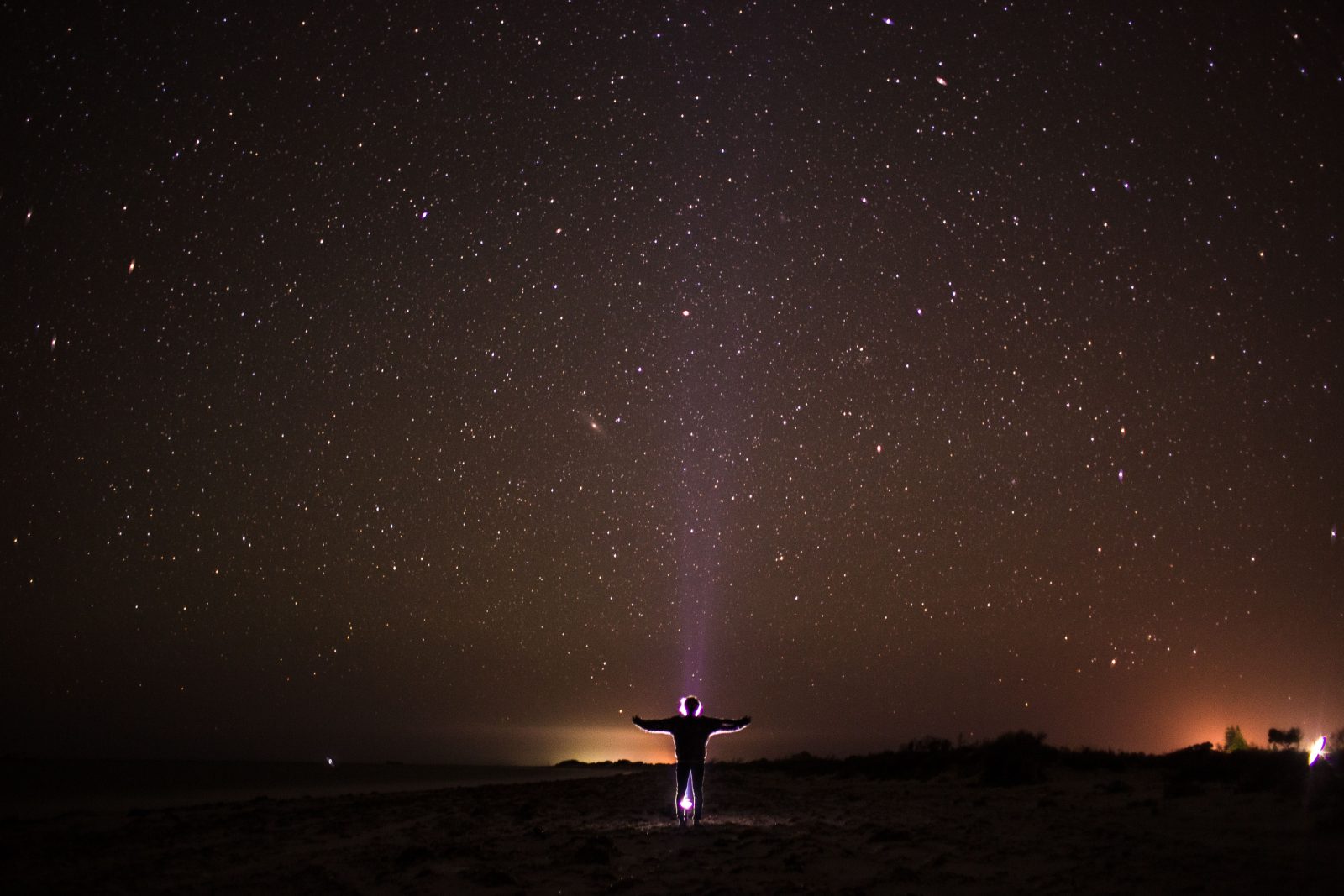
Dark Skies Dwindling: How Light Pollution Affects the Beauty of Stargazing
Have you ever been amazed by the stars blinking in the night sky and wondered why they’re becoming harder to see? If yes, then you’ve noticed one of the impacts of light pollution. This post will explore how light pollution affects the beauty of stargazing and what that means for us.
What is Light Pollution?
Light pollution is simply any unwanted or excessive artificial light that brightens up the night sky more than needed. It’s like when someone turns on a flashlight in a dark room, making it tough to see the little shining spots you were trying to find. For many of us, looking up at a sky full of stars is one of life’s pleasures. But in many places, this view is fading, largely due to the glow from street lights, billboards, and buildings.
A Closer Look at How Light Pollution Shadows Our Stars
Imagine you’re trying to watch a movie in a room where the lights are still on. That’s kind of what happens when we try to stargaze in a city. The extra light drowns out the faint light coming from the stars. This means that instead of a stunning, sparkly sky, we get a washed-out view. Here’s how it typically unfolds:
- Bright Lights, Dim Stars: Artificial lights send a glow that spreads far and wide, setting a background light that makes it difficult to spot the dimmer stars.
- Skyglow: Have you noticed the orange or pink glow over cities at night? That’s skyglow, a type of light pollution that masks the stars above.
- Disruption to Wildlife: It’s not just about us; animals get mixed up too. Birds that navigate by the stars can get lost, and sea turtles might struggle to find the sea after they hatch on the beach.
As more areas around the world become urbanized, natural nightscapes become rarer. This fading of the night sky is steadily occurring, and it’s why preserving our dark skies is so critical.
The Dimming of Delights: Our Connection to the Cosmos is at Risk
For centuries, staring up at the stars has inspired people in countless ways. From guiding ancient sailors, to sparking the imaginations of poets and scientists, the stars are a part of our shared human heritage. Each twinkling point in the night sky tells a story, but light pollution is slowly closing the book.
This loss is more than just scientific. It affects our culture, our history, and the way we see our place in the universe. When we lose the ability to see the stars, we lose a source of inspiration and wonder.
The Fight for the Night: How We Can Protect Dark Skies
The good news is, there’s hope. Many countries and communities are taking steps to reduce light pollution:
- Better Lighting: Using lights that shine downwards, instead of all around, helps reduce skyglow.
- Shielding Lights: Covers that keep the light pointed toward the ground can also help.
- Turning Off Lights: Simple, right? When we use less light, we do our part to keep the skies dark.
Everyone can help in small ways, even by choosing the right kind of lights for our homes or by turning off unnecessary outdoor lights.
Frequently Asked Questions (FAQ)
Q: Why can’t we see as many stars in the city?
A: In cities, the excessive use of artificial light creates a glow that obscures the view of many stars. This is known as skyglow.
Q: Is light pollution really a big deal?
A: Yes, it affects not only our ability to enjoy stargazing but also disturbs the natural rhythms of wildlife and wastes energy.
Q: What can I do to help reduce light pollution?
A: Use outdoor lights that are less bright, turn off lights when they’re not needed, and consider using light fixtures that direct light downward.
Conclusion
Dark skies are a treasure that’s slowly fading away under the cloak of light pollution. The beauty of stargazing—and all the wonders it offers—is dimming. But by understanding and acting to minimize light pollution, we can hold on to this connection to our universe. It’s not just about seeing the sky; it’s about preserving a magical part of our environment. So the next time you switch on an outdoor light, remember the stars and choose wisely.