
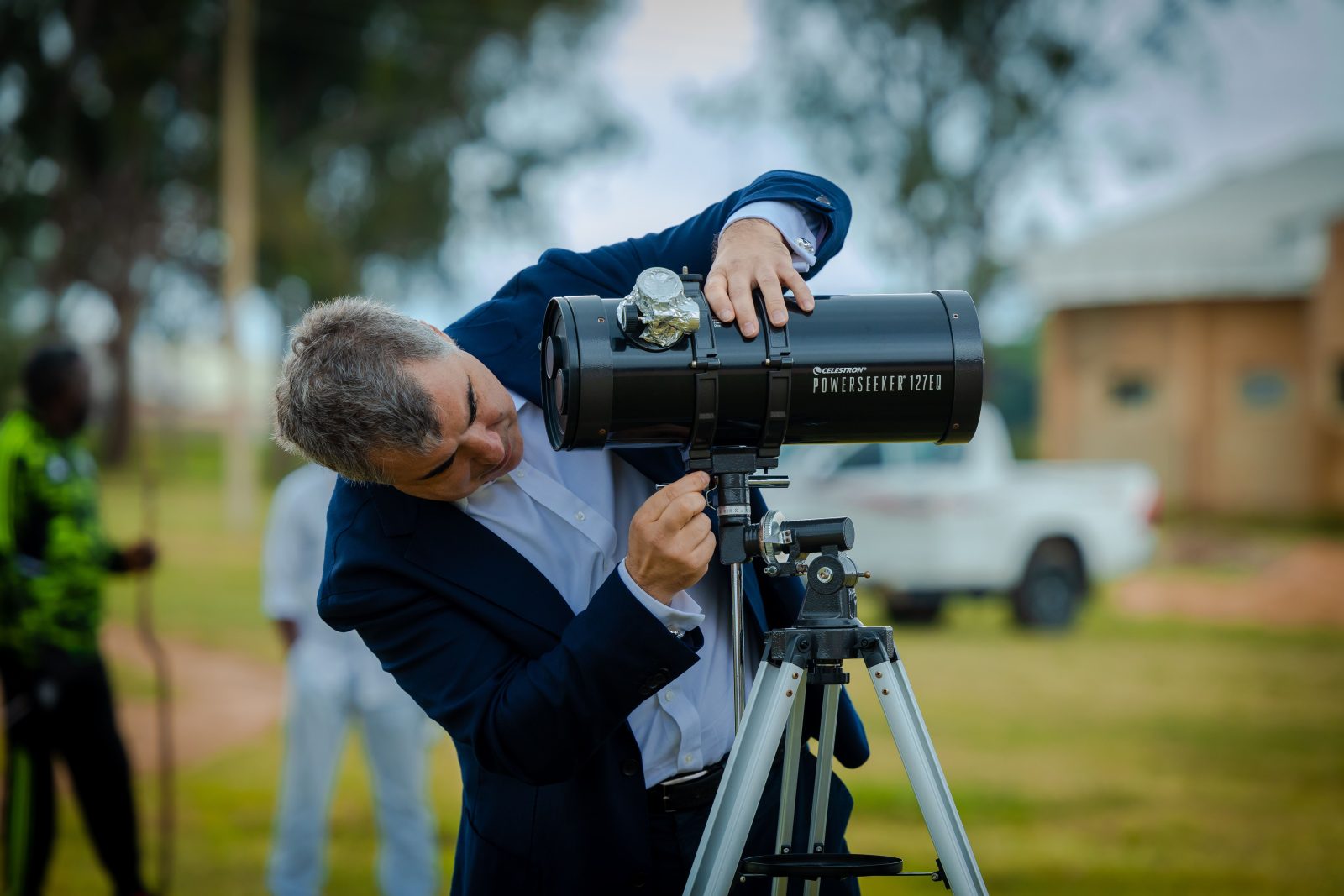
Discover the Best Portable Telescope Tripods for Stellar Stargazing
Have you ever ventured into the quiet solitude of a starlit night armed with a telescope, only to end up frustrated with shaky views and cumbersome equipment? Proper stargazing demands more than just a powerful telescope; it requires the perfect tripod for a stable and enhanced celestial viewing experience. This guide delves deep into the world of portable telescope tripods, essential gear for both amateur astronomers and seasoned stargazers aiming to unlock the wonders of the cosmos.
As you embark on your journey to Discover the Best Portable Telescope Tripods for Stellar Stargazing, remember that choosing the right tripod can dramatically influence your stargazing experience. From lightweight designs ideal for hikers to robust models perfect for static backyard observatories, the market offers a plethora of options to suit various observing environments and preferences.
Celestron TrailSeeker Tripod
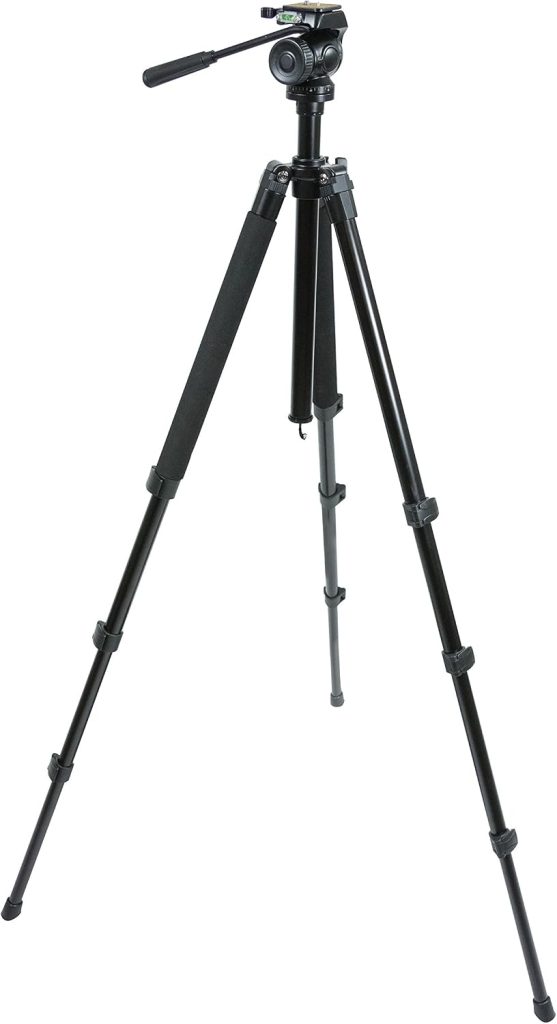
The Celestron TrailSeeker tripod stands out for its exceptional balance of portability and stability, making it a favorite among traveling astronomers. Its robust construction ensures a secure platform for telescopes, particularly beneficial during long observation sessions under the stars.
Pros
- Lightweight aluminum frame enhances portability
- Fluid pan head allows for smooth movements
- Quick-release plate facilitates easy telescope attachment and removal
- Extends to 70 inches, catering to a wide range of user heights
- Retractable spikes in feet for stable outdoor use
Cons
- Not ideal for very heavy telescope setups
- Carrying bag quality could be better
Key Features & Benefits
The Celestron TrailSeeker offers a unique combination of lightweight construction and durable materials, ideal for stargazers who often venture into remote locations. Its aluminum alloy legs are not only light but can withstand the rigors of travel. The tripod’s fluid head is a game-changer, providing silky smooth operation as you track celestial objects across the sky. This feature is particularly crucial for astrophotography, where precision and steadiness are paramount.
Moreover, the versatility of height adjustment up to 70 inches means that whether you’re observing on uneven terrain or need to share the view with fellow stargazers, adaptability is at your fingertips. The tripod’s quick-release plate is another standout feature, enabling swift setup and breakdown—key for those who want to spend more time observing than assembling equipment.
Orion Tritech II Field Tripod with Fluid Pan Head
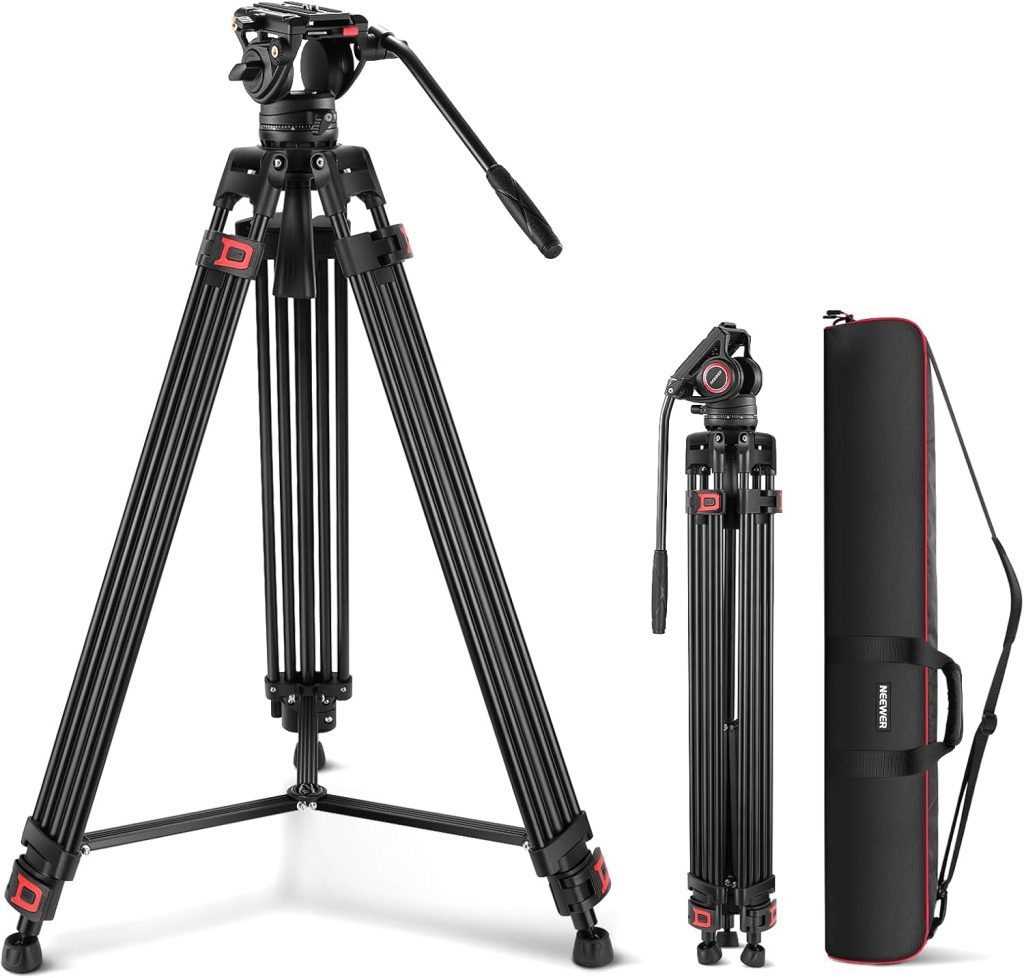
For stargazers who prioritize ease of use and smooth operability, the Orion Tritech II Field Tripod is an excellent choice. It combines a sturdy build with a user-friendly interface suitable for all levels of astronomy enthusiasts.
Pros
- Sturdy steel legs provide excellent stability
- Fluid pan head for seamless tracking
- Mid-level spreader enhances leg stability
- Adjustable leg heights with secure locks
- Padded carry strap included for easy transport
Cons
- Slightly heavier than some competitors
- May take extra time for initial setup adjustments
Key Features & Benefits
The Orion Tritech II’s fluid pan head sets it apart, offering smooth transitions and tracking with minimal vibration—perfect for both viewing and photographing the night sky. The robust construction of the steel legs not only supports heavier telescopes but also resists bending and wobbling, which can detract from the viewing experience during windy conditions or on uneven ground.
Its adjustable leg heights are a boon for observers in varied field conditions, ensuring a level setup crucial for accurate observation. The mid-level spreader helps distribute weight evenly, significantly enhancing the overall stability of the tripod. A padded carry strap rounds out its practical features, reinforcing its status as a go-to companion for portable astronomy.
Buying Guide: How to Choose the Right Portable Telescope Tripod for Stellar Stargazing
Selecting the right tripod involves understanding the specific needs of your stargazing adventures. Here are some critical factors to consider:
- Compatibility: Ensure the tripod’s mounting system matches your telescope. Adapter plates can bridge compatibility gaps.
- Material: Choose materials based on the typical environments you’ll be exploring. Aluminum offers a good balance between weight and strength, while carbon fiber is lighter but more expensive.
- Stability and Performance: Opt for tripods with sturdy legs and reliable locking mechanisms to minimize vibrations and enhance viewing.
- Portability: If you travel frequently, a compact, lightweight tripod is essential. Check for models with retractable legs or those that fold down small.
- Budget: Tripods range from budget-friendly to premium models; invest according to your frequency of use and required features.
FAQ
What is the importance of a tripod in stargazing?
A tripod provides the stability required for clear, focused observations of celestial bodies. It also helps in tracking objects smoothly across the sky.
Can I use a camera tripod for my telescope?
While some heavy-duty camera tripods can support small telescopes, specialized telescope tripods are generally more stable and better suited for the task.
How do I maintain my telescope tripod?
Regular cleaning, tightening loose components, and occasional lubrication of moving parts will keep your tripod in good working condition.
Is it worth investing in a more expensive tripod?
For frequent users or those involved in astrophotography, investing in a higher-quality tripod can greatly enhance the experience and results.
What is the best material for a telescope tripod?
Carbon fiber is excellent for both strength and portability, though it is more expensive. Aluminum is more affordable and still offers good performance.
Can tripods be used on all terrains?
Most high-quality tripods can adjust to varying terrains, thanks to adjustable legs and interchangeable feet, such as rubber or spiked.
Conclusion
Choosing the best portable telescope tripod involves balancing multiple aspects including material, stability, and portability to enhance your stargazing experience. Each of the tripods highlighted offers a unique combination of features suited to different styles and stargazing needs. Whether you’re a casual observer or a dedicated astrophotographer, investing in the right tripod can profoundly impact your astronomical adventures.
Remember, a good tripod not only carries your gear but also supports your passion for the stars. Take your time, consider your specific needs and surroundings, and make a choice that will serve you well under the celestial sphere. Happy stargazing!