
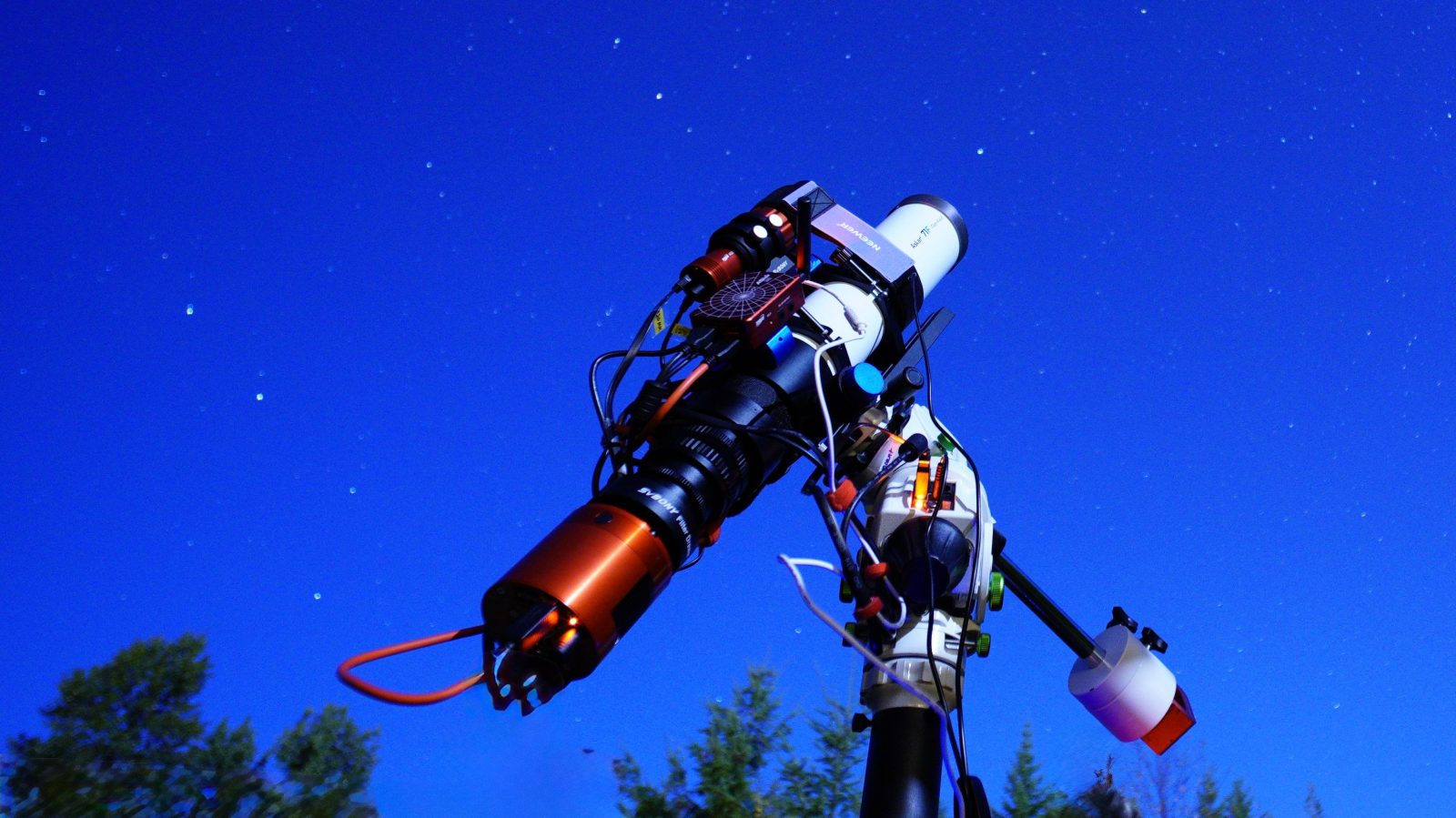
Unlocking the Cosmos: Choosing the Best Astrophotography Telescope for Deep Space Imaging
Have you ever marveled at the striking deep-space images sprinkled across the pages of science magazines or floating through your social media feeds? Each snapshot is a gateway to the vast unknown, made possible by astrophotography telescopes that capture the incandescent beauty of distant galaxies, nebulae, and star clusters. Stepping into the world of astrophotography with the right telescope can transform your stargazing experience from mere observation to the creation of celestial art. “Unlocking the Cosmos: Choosing the Best Astrophotography Telescope for Deep Space Imaging” isn’t just about acquiring a new piece of technology; it’s an invitation to partake in the grand story of the cosmos.
Whether you’re an enthusiastic beginner drawn to the stars or an experienced stargazer looking to delve deeper into astro-imaging, the telescope you choose becomes your most crucial tool. The endless array of options featuring varying specifications can be daunting. This article aims to guide you through selecting a telescope that promises clarity, stability, and sufficient light-gathering capability to bring your cosmic observations to life. Equip yourself with a telescope selected from some of the most trusted brands in the industry, and embark on a journey that transcends the everyday into the realm of extraordinary interstellar exploration.
Celestron NexStar 8SE Telescope
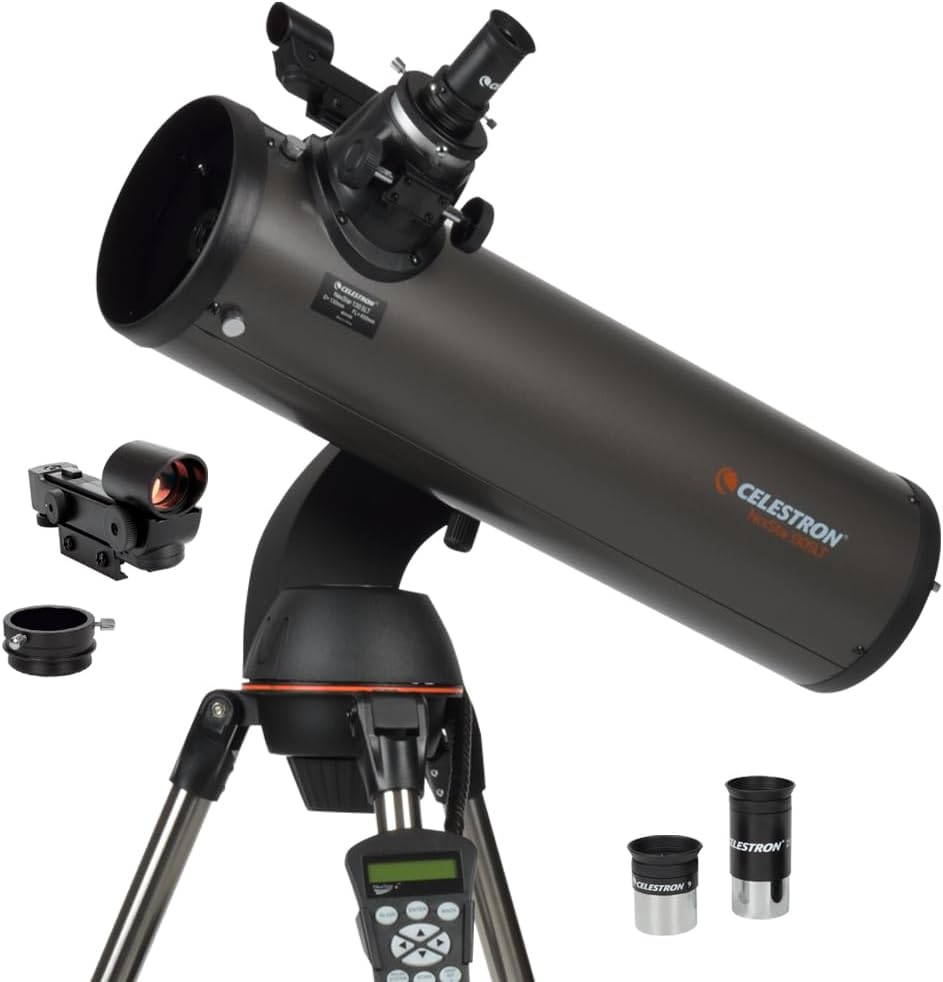
Dive deep into the cosmos with the Celestron NexStar 8SE, a telescope designed for those who want to marry the conveniences of modern technology with top-tier astro-imaging capabilities.
Pros
- Automated GoTo mount simplifies locating celestial bodies
- Large 8-inch aperture gathers ample light for clear, detailed images
- Compatible with high-performance accessories and cameras
- Portable design makes it easy for transport and setup
- Sturdy build quality ensures durability over time
Cons
- Requires power supply for remote observing sites
- Heavier than some entry-level models, which may challenge beginners
Key Features & Benefits
The Celestron NexStar 8SE stands out with its impressive 8-inch aperture, bringing distant galaxies and nebulae within reach of amateur astronomers. This scope leverages Celestron’s renowned Schmidt-Cassegrain technology, ensuring sharp, distortion-free images—perfect for deep-sky photography. Moreover, its automated GoTo tracking system houses a database of over 40,000 celestial objects. With a simple alignment procedure, explorers can effortlessly journey across the night sky, making it an ideal tool for both educational purposes and enchanting backyard stargazing.
The portability factor of the NexStar 8SE is a standout feature. The unique single-arm mount and the detachable OTA make it convenient to transport, without compromising on stability. Whether you’re heading to a dark-sky location or setting up in your backyard, this telescope combines easy setup with the convenience of advanced features, suitable for capturing those spectacular snapshots of the heavens.
How to Choose the Right Unlocking the Cosmos: Choosing the Best Astrophotography Telescope for Deep Space Imaging
Choosing the correct astrophotography telescope involves understanding a range of factors that can deeply influence your stargazing and image-capturing success. Here are essential considerations:
- Aperture Size: The size of the telescope’s aperture is the most significant factor in determining how much light it can gather. Larger apertures allow more light, which is crucial for detailed deep-sky imaging.
- Type of Telescope: Refractors, reflectors, and compound telescopes each have unique advantages. Refractors are great for clear, high-contrast images, whereas reflectors provide larger apertures at a lower cost. Compound telescopes offer a mix of both benefits.
- Mount and Tracking: A stable mount and accurate tracking are critical for astrophotography. Consider motorized or GoTo mounts for ease of use, especially when starting.
- Portability: If you plan to travel to dark-sky locations, consider the telescope’s weight and compactness.
- Budget: Astrophotography can be an expensive hobby; prioritize features essential for your specific needs without overspending.
FAQ
What is the easiest type of telescope to use for beginners in astrophotography?
Compound telescopes, specifically those with automated tracking features, are generally the easiest for beginners to handle and learn with.
Can I use an astrophotography telescope for regular stargazing?
Absolutely, astrophotography telescopes are excellent for both observing and imaging the night sky.
How significant is the telescope’s aperture for deep space imaging?
Aperture size is crucial as it determines how much light your telescope captures; larger apertures mean brighter, clearer images, especially of faint, distant objects.
What should I consider when choosing a mount for an astrophotography telescope?
Look for a stable, precision-trackable mount to reduce image blur during long exposure times, crucial for capturing clear images of the cosmos.
Is it worth investing in a high-end telescope as a beginner in astrophotography?
While high-end telescopes offer the best features, beginners might benefit from starting with more user-friendly and budget-friendly models, then upgrading as skills improve.
How do I protect my astrophotography equipment?
Regular maintenance and proper storage are key to protecting your equipment. Use protective caps and store your telescope in a moisture-free environment.
Conclusion
Embarking on the journey of astrophotography can be one of the most rewarding experiences for anyone fascinated by the night sky. The right telescope acts as your gateway to the universe, unlocking dazzling planets, galaxies, and nebulae with clarity. By considering the essential features highlighted throughout this guide—such as aperture size, telescope type, and mount stability—you can choose a model that perfectly matches your needs and budget. Whether you’re capturing the swirling colors of a distant galaxy or the detailed craters of the moon, each image brings you one step closer to the cosmos.
Remember, the best telescope is the one that fits your personal astrophotography goals and allows you to explore the night sky with excitement and precision. Take your time, choose wisely, and prepare to unlock the stunning vistas of our universe.