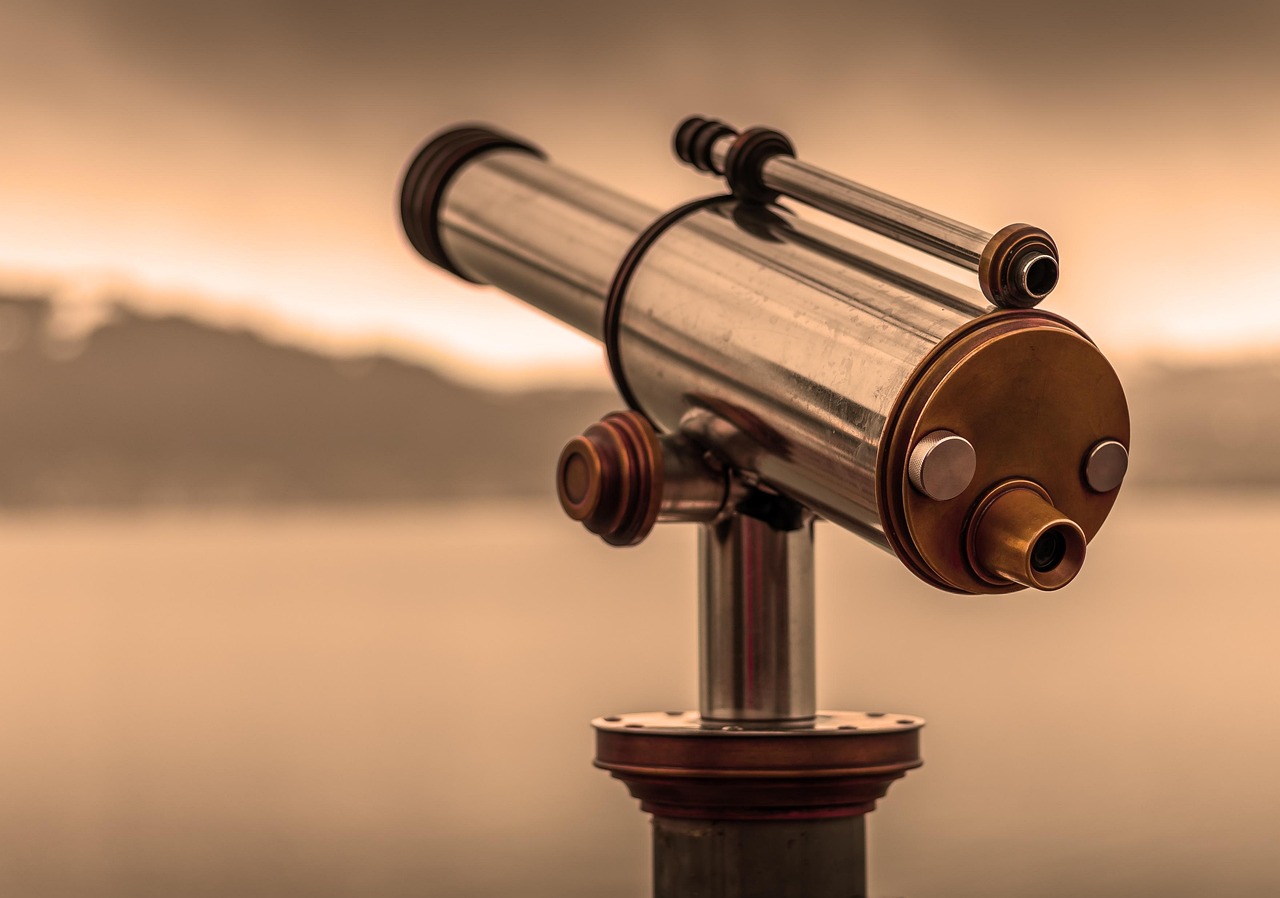
Exploring the Cosmos: How to Choose the Best Telescope Eyepieces for Stunning Stargazing Accessories
📝 Introduction
When it comes to stargazing, the quality of your experience often hinges not just on your main telescope but also on the quality and compatibility of its accessories. A good telescope eyepiece can transform a night under the stars from a simple outing into a profound encounter with the cosmos. Investing in the right accessories not only enhances the performance but also extends the lifespan and convenience of use of your telescope, ensuring that each stargazing session is as thrilling as it is enlightening.
Prominent brands like Celestron, Orion, and Meade have set the benchmark in the astronomy accessories market, offering a range of products that promise to augment the capabilities of your telescope. From high-performance eyepieces to filters and more, these accessories are designed to intensify your observations and make the cosmos more accessible than ever.
🔢 Best Accessories List
🔧 Plossl Telescope Eyepiece
The Plossl eyepiece is renowned for its all-around performance and is perfect for both beginner and advanced astronomers. It enhances your telescope’s functionality by providing sharper images and a wider field of view, making it ideal for viewing deep-sky objects. Those seeking a balance between cost and capability will find the Plossl eyepiece a worthy addition to their stargazing gear.
✅ Pros 👍
- Provides a broad field of view
- Higher light transmission for clearer images
- Reduces chromatic aberration
- Affordable compared to more specialized eyepieces
- Comfortable eye relief
❌ Cons 👎
- Somewhat limited in very high magnifications
- Not as wide a field as more expensive eyepieces
🔍 Key Features & Benefits
The Plossl eyepiece typically features a symmetrical design with four optical elements that provide a balance between performance and cost-efficiency. Its 50-degree apparent field of view makes it suitable for a variety of celestial objects, from lunar landscapes to nebulae. This eyepiece is broadly compatible with most telescopes, thanks to its standard 1.25-inch fitting. Durability is a prime feature, with most Plossl eyepieces boasting robust construction that withstands regular use. The cost-effectiveness of this eyepiece makes it an excellent value for both seasoned astronomers and novices looking to enhance their viewing experience without breaking the bank.
👉 Check Price on Amazon
🔧 Barlow Lens
Adding a Barlow lens to your astronomy toolkit can effectively double or triple the magnifying power of your existing eyepieces, making it a versatile and potent accessory for detailed planetary viewing. It is designed for all levels of stargazers who wish to delve deeper into the details of the cosmos without purchasing additional high-powered eyepieces.
✅ Pros 👍
- Multiples the power of any eyepiece used with it
- Reduces the need to buy more eyepieces
- Usually features multi-coated optics for superior clarity
- Compact and easy to store
- Enhances viewing of planetary and lunar details
❌ Cons 👎
- Can introduce chromatic aberration if not of high quality
- Extra glass elements may reduce light throughput
🔍 Key Features & Benefits
A Barlow lens typically comes with a 2x or 3x magnification factor and is inserted between the telescope’s optical tube and the eyepiece itself. It is universally compatible with eyepieces that fit its design standards, usually 1.25 or 2 inches. The practical benefits include being able to observe celestial bodies in greater detail, making it ideal for viewing craters on the Moon or the rings of Saturn. The build quality is crucial; higher-end Barlows with superior optical coatings prevent the loss of light and minimize any distortions. This accessory is not only cost-effective but also enhances the overall functionality of your telescope setup, allowing for a more profound and detailed exploration of space.
👉 Check Price on Amazon
🛒 How to Choose the Right Accessories
Choosing the right telescope accessories involves several critical considerations. Compatibility is paramount; ensure that an accessory fits your telescope’s make and model. The material quality can affect both the durability and performance of the product, while size or fit must be correct to avoid issues with installation or use. Additionally, consider the durability of an accessory, as it should be able to withstand the conditions under which you plan to use it, whether it’s in a backyard or a remote dark-sky location.
Brand reliability can also inform your decision, as reputable brands often offer higher quality and better customer support. Finally, weigh up the intended use against your budget to ensure you are getting value for your money without compromising on the essential features you need for successful stargazing.
❓ Frequently Asked Questions (FAQ)
Q1: What makes a telescope eyepiece suitable for beginners?
A1: A good beginner eyepiece offers a balance of features and ease of use. It should provide clear images, a comfortable viewing experience, and be durable yet affordable.
Q2: Can I use any brand of eyepiece with my telescope?
A2: While many eyepieces are universally compatible, checking the specifications for mount size (like 1.25-inch or 2-inch) and compatibility with your telescope’s brand and model is crucial.
Q3: What is the advantage of a multi-coated eyepiece?
A3: Multi-coated eyepieces enhance light transmission, resulting in brighter, clearer images. They also reduce reflections and glare which can deteriorate the quality of the image.
Q4: How does a Barlow lens work with different eyepieces?
A4: A Barlow lens increases the magnification of any eyepiece it is used with. It’s placed between the telescope’s eyepiece holder and the eyepiece itself, effectively extending the focal length.
Q5: Is an expensive telescope eyepiece always better?
A5: Not necessarily. While higher-priced eyepieces often offer enhanced features and superior optics, mid-range or budget eyepieces can also provide excellent functionality, especially for beginners or amateur stargazers.
Q6: How do I care for and maintain my telescope eyepieces?
A6: To maintain the performance of your eyepieces, store them in a dust-free environment, use lens caps, and clean the lenses gently with a proper optical cleaning solution and microfiber cloth.
🏁 Conclusion
Choosing the right accessories for your telescope is not just about enhancing your immediate viewing experience—it’s about investing in the quality and longevity of your stargazing adventures. Whether it’s the practical utility of a Plossl eyepiece or the magnification boost from a Barlow lens, each accessory offers unique benefits that cater to specific needs and preferences. Consider factors such as compatibility, build quality, and value for money to ensure that you select accessories that will enrich your journey through the cosmos. Encourage exploration, and let the stars be your guide!