
Have you ever gazed up at the starry night sky and wished you could take a closer look?
With the right equipment, the distant wonders of the galaxy can be brought right into your backyard. That’s where the best refractor telescope comes into play, acting as your personal window to the cosmos. This guide aims to help you choose the perfect model for stargazing, ensuring that every twinkling star and mysterious planet is within your view.
What is a Refractor Telescope?
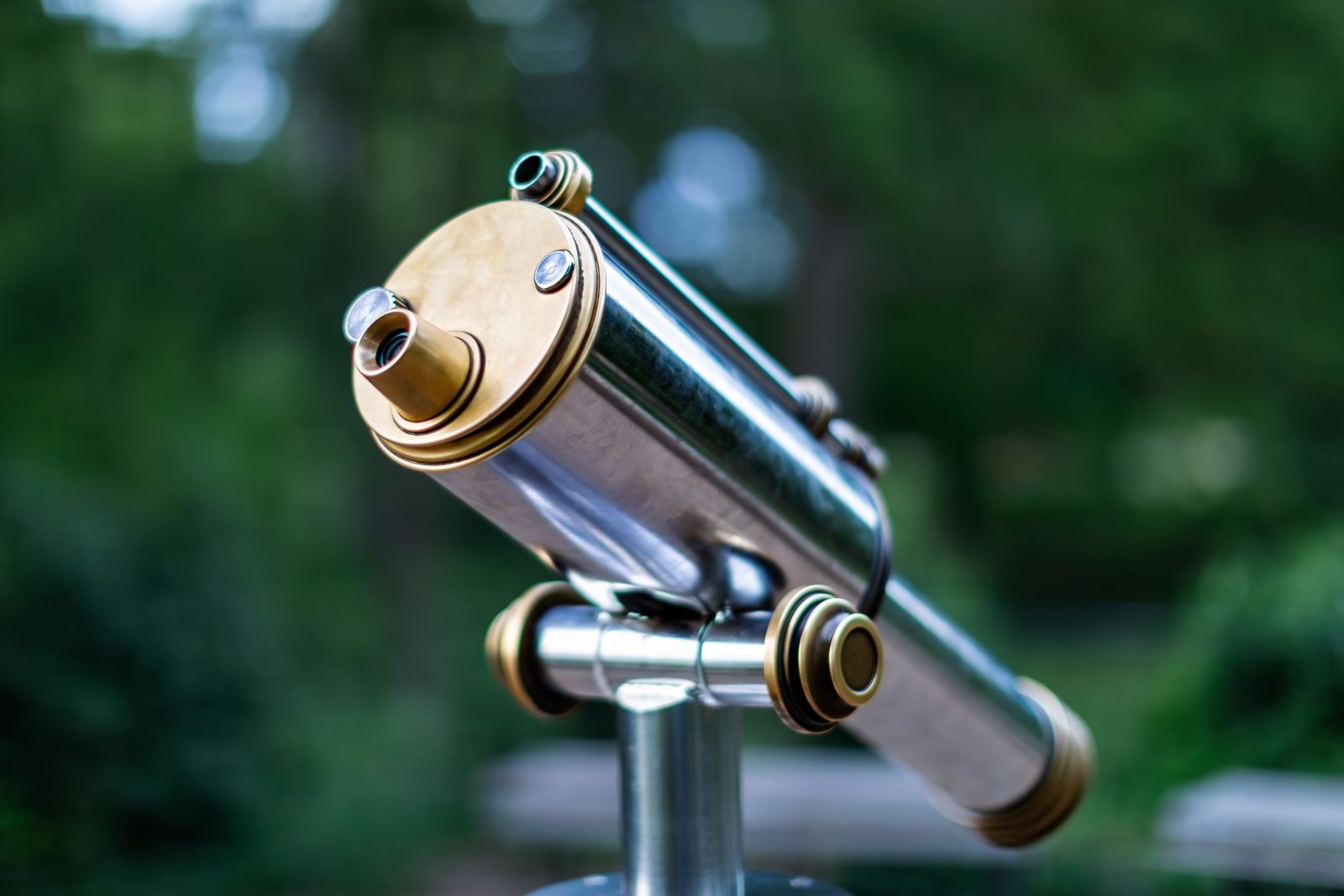
A refractor telescope uses lenses to bend (or refract) light to magnify distant objects, making them appear closer and clearer. They are one of the most popular types of telescopes for amateurs and enthusiasts alike due to their simple design and quality imaging.
Why do People Buy Refractor Telescopes?
People buy refractor telescopes for various reasons, primarily for observing planets and stars. They’re favored for their ability to provide sharp, high-contrast images. Whether it’s Mars, Jupiter, or the Moon, a refractor can offer breathtaking views of our solar system and beyond.
Key Features to Look for in the Best Refractor Telescope
- Aperture Size: The aperture is the lens’ diameter and determines how much light the telescope can capture. A larger aperture means brighter, clearer images.
- Focal Length: This is the distance between the telescope’s lens and the image it forms. A longer focal length offers higher magnification.
- Lens Quality: Look for telescopes with high-quality glass and anti-reflective coatings to reduce image distortions.
- Mount Type: A sturdy mount is crucial for tracking objects smoothly across the sky. Equatorial mounts are ideal for stargazing as they align with the Earth’s axis.
Things to Check Before Buying
- Compatibility with Accessories: Ensure the telescope can accommodate additional accessories like a camera or different eyepieces.
- Ease of Use: Especially important for beginners, the telescope should be straightforward to set up and operate.
- Portability: If you plan to transport your telescope to different viewing locations, consider its size and weight.
Who is it Best For?
Refractor telescopes are excellent for both beginners and experienced stargazers. They are particularly great for those interested in viewing planets and moon craters in detail. Due to their sealed tube design, they also require less maintenance, making them a worry-free option for new astronomers.
Common Mistakes to Avoid
- Ignoring Aperture Size: Don’t be swayed by magnification alone—aperture size is crucial for image quality.
- Going Cheap on the Mount: A shaky mount can ruin your viewing experience, no matter how good the telescope is.
- Overlooking the Focal Ratio: A lower focal ratio offers wider views, which is better for deep sky viewing, while a higher focal ratio is better for planetary details.
Helpful Buying Tips
- Read Reviews: User reviews on Amazon.com can provide real insights into how the telescope performs in practice.
- Think Long-Term: Consider how your interests may evolve and choose a telescope that can grow with you, whether through higher magnification capabilities or compatibility with different accessories.
- Check for Warranty: To ensure you’re covered in case of defects, opt for models with a manufacturer’s warranty.
Short FAQ Section
Q1: What can you see with a refractor telescope?
You can see a variety of celestial objects such as planets, the Moon, stars, and even some galaxies and nebulae, depending on the telescope’s specifications.
Q2: How much should I spend on a refractor telescope?
While you can find entry-level models for around $100, investing in a telescope between $300 to $500 can provide significantly better performance and durability for more serious stargazing.
Q3: Are refractor telescopes good for kids?
Yes! They are quite user-friendly and can be a great educational tool for children interested in astronomy.
Conclusion
Choosing the best refractor telescope doesn’t have to be complicated. By considering what you want to observe, the key features, and ensuring the model fits your specific needs, you can find the perfect telescope for magical stargazing nights. Remember to check on Amazon.com for a variety of options, detailed user reviews, and often competitive prices that can help you get the most value out of your purchase. Enjoy your journey among the stars!