
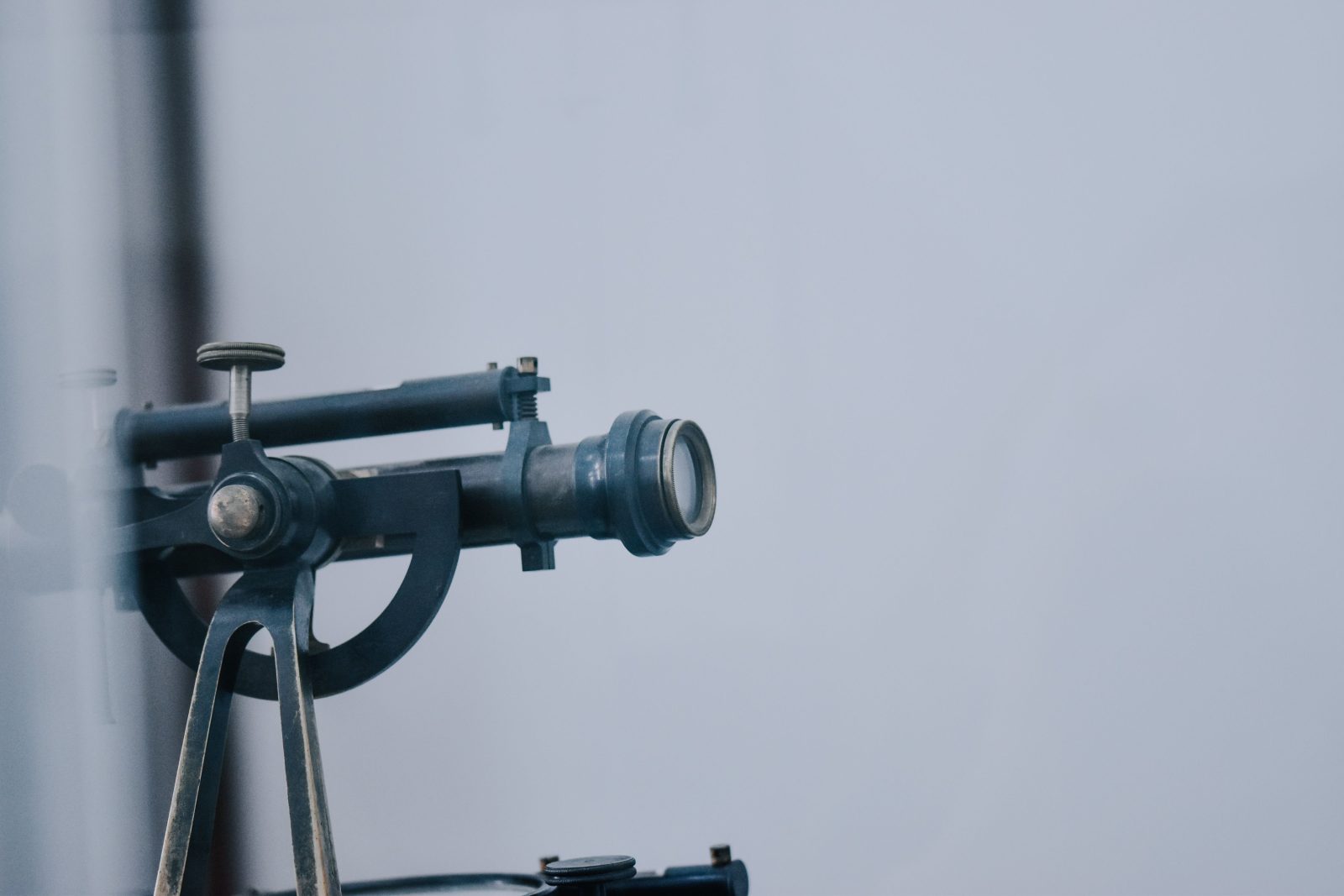
Explore the Universe: How to Choose the Best Telescope for Planets
Have you ever looked up at the night sky and marvelled at the sight of planets glowing as distant, mysterious dots? Imagine turning those dots into clear, fascinating features where you can see the rings of Saturn or the storms on Jupiter. How can you do this? Let’s talk about selecting an ideal telescope to transform those faint dots into brilliant snapshots of outer space.
What is a Telescope?
A telescope is a tool that magnifies distant objects so that they can appear closer and clearer to the viewer. For keen sky watchers, a telescope is the gateway to exploring the wonders of our universe, stretching beyond what the eyes can see. Specifically for planets, a certain type of telescope helps in providing clearer pictures of the solar system.
Why People Buy Telescopes
Telescopes are bought mainly by those interested in astronomy. Whether as a hobby, for educational purposes, or even professional research, each enthusiast has a unique reason to peer deeper into the skies. Appreciating planets and their intricate details is one of the main pursuits for many stargazers.
Key Features to Look for
When you’re on your quest to explore the universe and choose the best telescope for planets, you’ll need to pay attention to these vital features:
- Aperture Size: This is the diameter of the telescope’s main optical component. Larger aperture allows more light to enter, making distant planets appear brighter and more detailed.
- Magnification: Telescopes come with eyepieces that determine magnification. However, higher magnification requires steadier atmospheric conditions to be effective.
- Mount Type: A stable mount is crucial for planet viewing. Consider equatorial mounts for tracking astral objects smoothly, as they can be aligned with the Earth’s rotation.
- Optical Quality and Design: Refractors and reflectors are common types of telescopes. Refractors are great for clear, high-contrast images and are generally easy to maintain.
Things to Check Before Buying
- Eye Relief: Ensure that the distance between your eye and the eyepiece is comfortable, especially if you wear glasses.
- Weight and Portability: Depending on where you plan to observe the skies, you might need a telescope that is easy to carry and set up.
- Accessories: Some telescopes come with additional eyepieces, a finder scope, and a Barlow lens that increases magnification options.
Who is it Best for?
Telescopes designed for viewing planets are best suited for those who have a keen interest in the solar system and enjoy detailed, static views of space phenomena. Beginners might enjoy user-friendly and less complex models, while experienced astronomers might look for advanced features and higher precision.
Common Mistakes to Avoid
- Buying Based on Magnification Alone: High magnification is less useful without a quality aperture and stable atmospheric conditions.
- Ignoring the Mount: A shaky mount can lead to frustrating viewing experiences, especially at high magnifications needed for planet observation.
- Overlooking the Setup Process: Ensure that setup and maintenance match your commitment and skill level.
Helpful Buying Tips
- Start with the Basics: If you’re new, start with a simple, sturdy telescope that doesn’t overwhelm you with too many features.
- Read Reviews: Look up reviews on Amazon.com to see how telescopes perform in real scenarios and what other stargazers recommend.
- Scope Out Deals: Club your purchase with sales or check for bundles that offer good eyepieces and accessories.
FAQ Section
Q: What is the best telescope for a beginner to see planets?
A: A medium-sized refractor telescope with an aperture of around 70mm to 90mm is usually recommended as it gives clear images and is relatively easy to handle.
Q: Can all telescopes see all planets?
A: Larger planets like Jupiter, Saturn, and Mars can be seen with most telescopes; however, features like rings and moons will require telescopes with more power and better optical quality.
Q: How much should I spend on my first telescope?
A: Budget-friendly telescopes for beginners can range from $100 to $400, giving a good balance between quality and ease of use.
Conclusion
Embarking on your journey to explore the universe and choose the best telescope for planets requires understanding your astronomical preferences, the features crucial for planet-watching, and the type of setting you’ll be using it in. Consider the balance between usability, quality, and cost to find a telescope that will not just satisfy your curiosity but enhance your cosmic adventures. Remember, the right telescope can open up a galaxy of wonders waiting to be discovered!